
If you’ve never heard of Isle Royale, you’re not alone. Tucked into the frigid, moody waters of Lake Superior, closer to our home state of Minnesota than to Michigan (the state it technically belongs to), Isle Royale is the least-visited national park in the lower 48 states. Yellowstone actually sees more visitors in a single day than Isle Royale sees in an entire year.
That’s exactly why you should go!
No cars. No cell service. No crowds circling for a parking spot at the trailhead. Just 165 miles of hiking trails, wildlife (including some of my favorite animals to spot in the wild – moose), and a silence broken only by loons calling across the water at dusk. This guide covers everything you need to plan a trip: how to get there, what it costs, where to stay, what to pack, and the mistakes that trip up first-timers.
Quick Facts
- Location: An archipelago in Lake Superior, part of Michigan on Eastern Time
- Access: Ferry or seaplane only — there are no roads or bridges to the island
- Season: Open mid-April through October; closed completely in winter
- Size: About 45 miles long, with over 165 miles of hiking trails
- Known for: Backcountry hiking, moose and wolf research, shipwreck diving, and near-total isolation
Because access is so limited, booking your transportation early is the single most important thing you can do to make this trip happen. We chose to go by seaplane (see more about this below) and it was a great choice! We flew with Isle Royale Seaplanes. We had to be very intentional to ensure we had the right dates and availability between our lodging and seaplane as they both have varying schedules and availability.
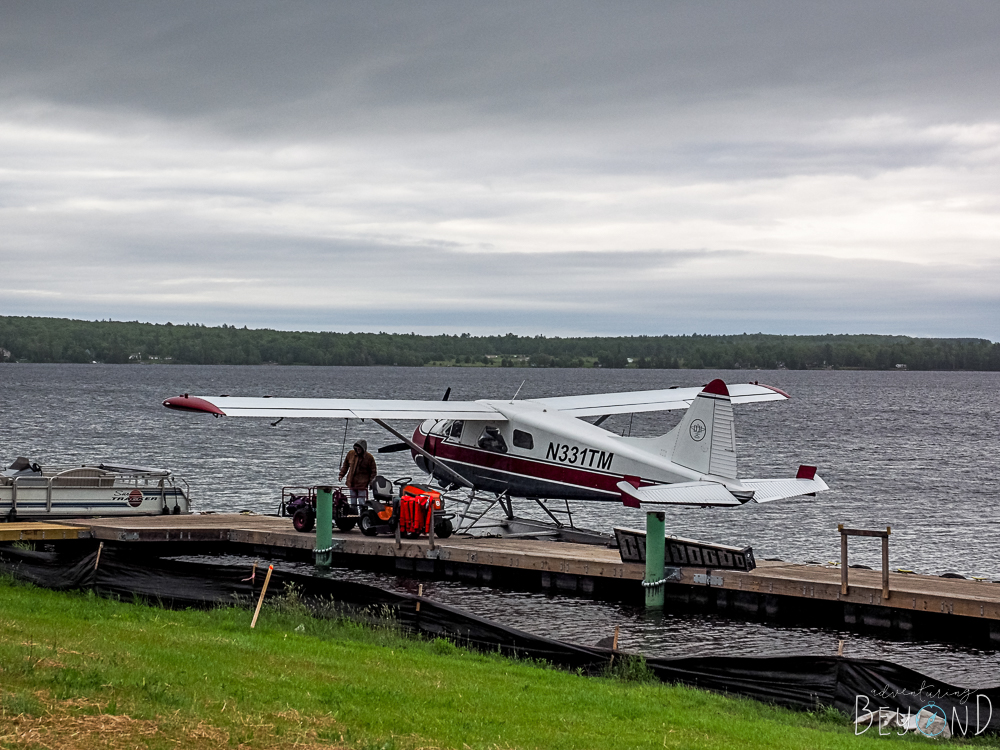
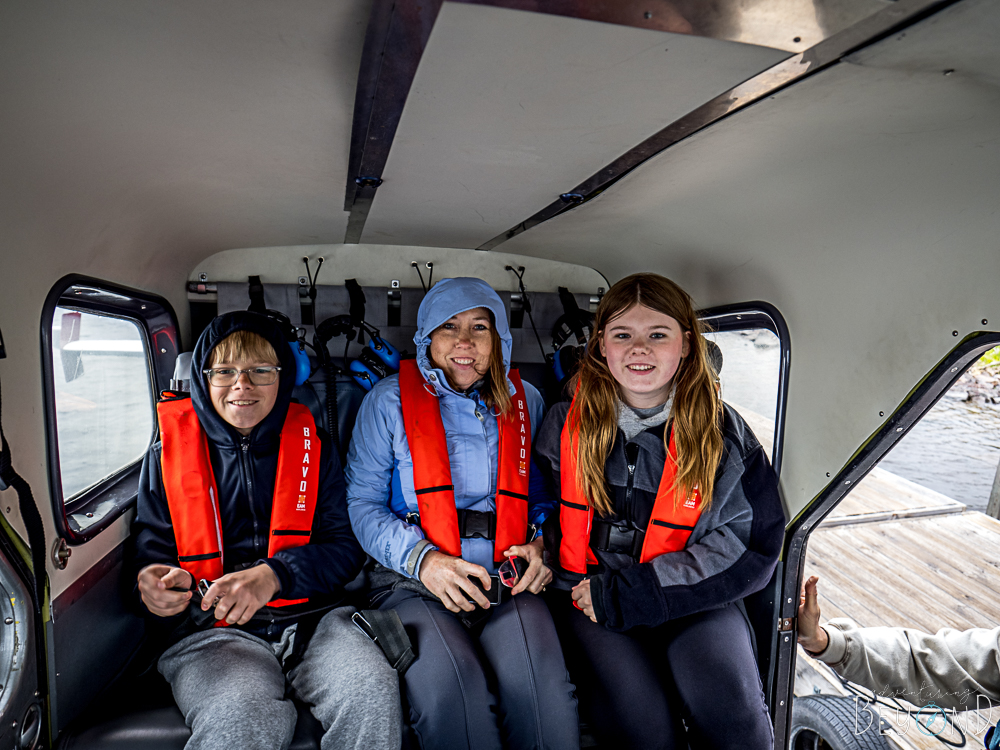
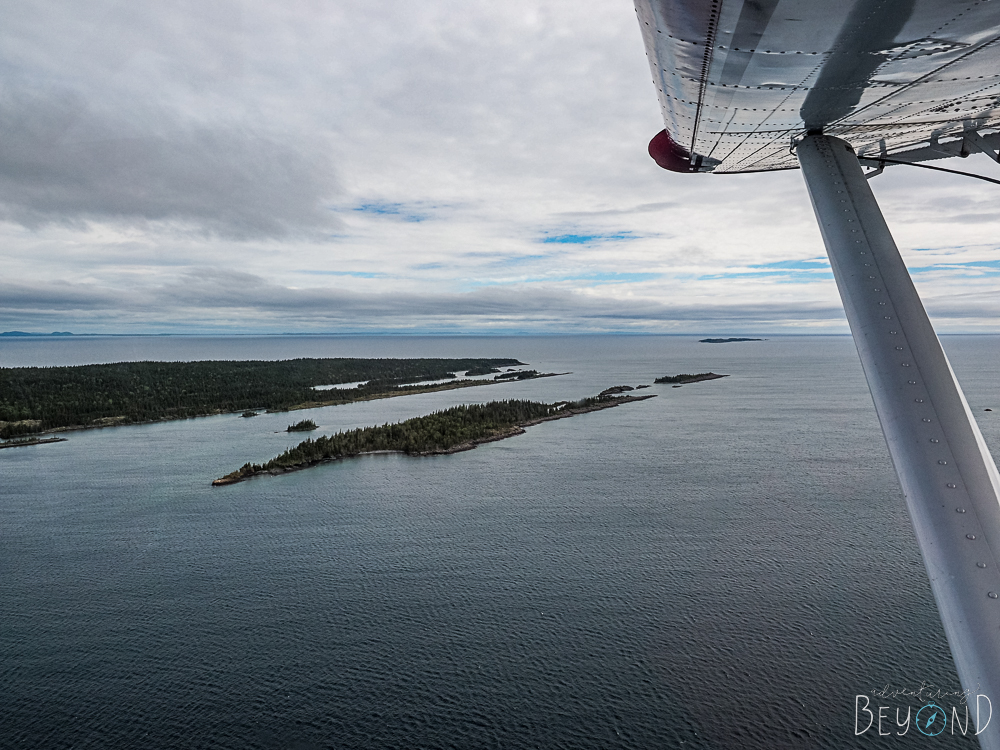
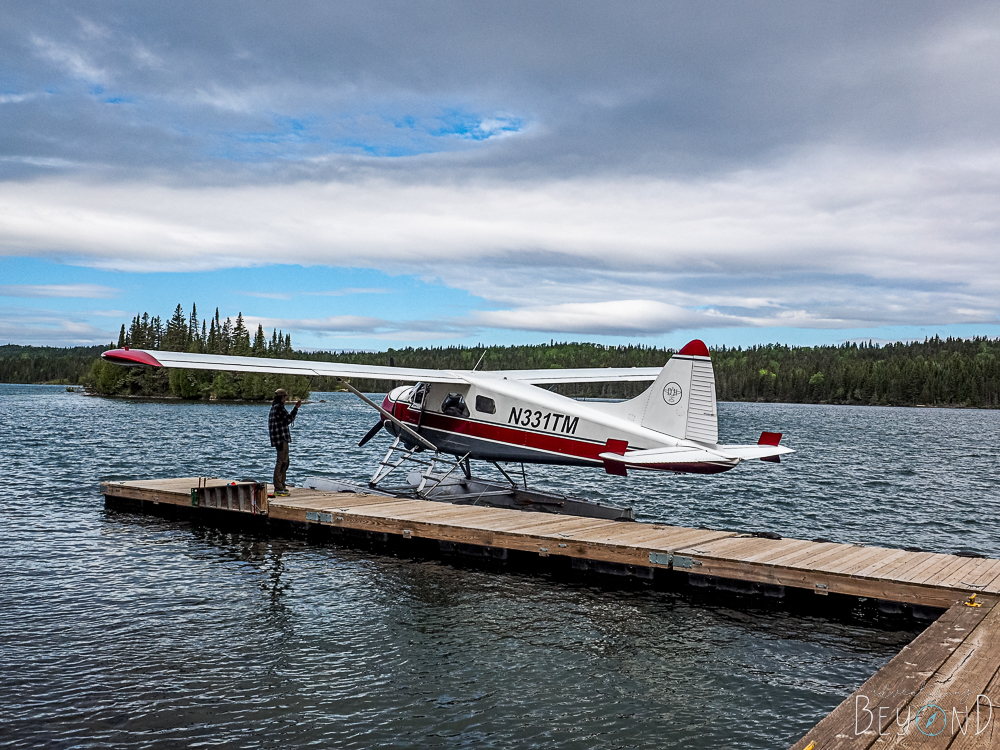
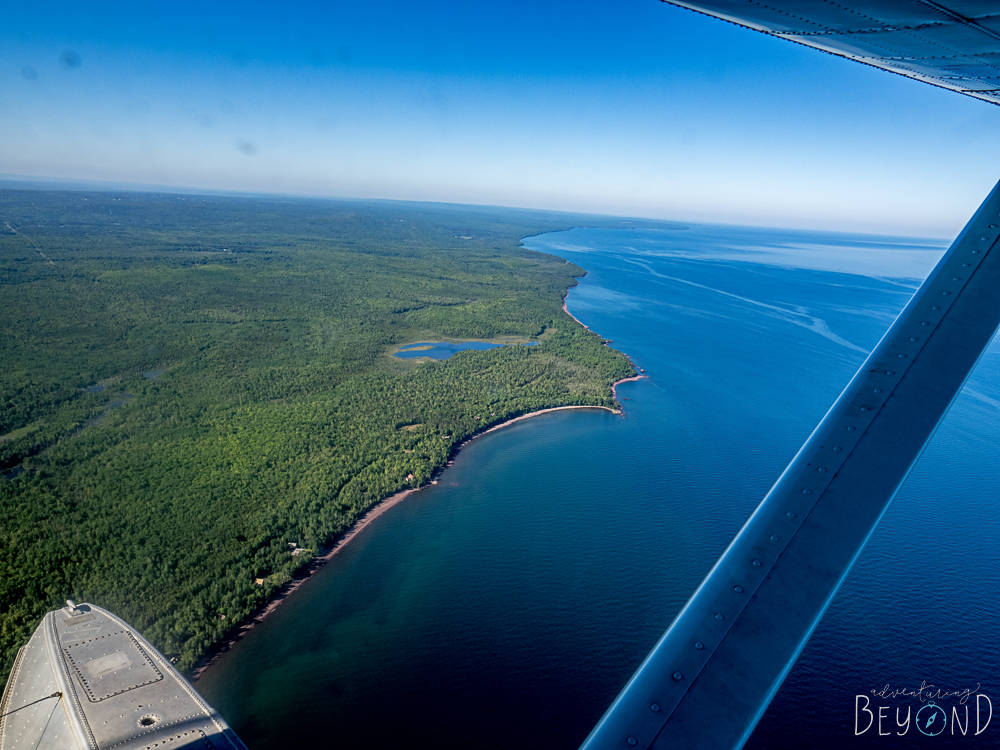
This park has been on our list for awhile, but due to the fact that some in our family are prone to motion sickness and one of the ferries to the national park is nicknamed “the barf barge,” it has been a challenge to work up the courage to go. Kim has been on a helicopter before and it did not go well, so the small plane was also not sounding that great. We finally decided to try the seaplane to get there. The seaplane is considerably more expensive, but SO worth it in our opinion. You get there much faster and, for us at least, the ride there and back was so smooth (ptl!). It was such a fun experience! You also get a great overview of the area and we felt like we had an extra day on the island because we were on an early flight.
How to Get There
There is no bridge, no airport for commercial flights, and no way to drive onto Isle Royale. Even the access points noted below are not convenient for commercial air service so many fly into Minneapolis or Chicago and drive from those major hubs. You do have several options for getting to the island itself, however, each with its own benefits and drawbacks. And depending on how you plan to spend your time in Isle Royale, you will need to take a specific ferry or plane to make sure you end up at the correct harbor and that they can accommodate your gear. You do also have the option of taking a private boat or seaplane to the island as well.
| Option | Departs From | Duration | Approx. Cost |
| Ranger III | Houghton, MI | ~6 hours | $$$ (longest, most scenic) |
| Isle Royale Queen IV | Copper Harbor, MI | ~3 hours | $$ |
| Voyageur II | Grand Portage, MN | ~2–7.5 hours (varies by stop) | $$ |
| Royale Air Service (seaplane) | Grand Portage, MN | ~35 minutes | $$$$ |
| Isle Royale Seaplanes | Hubbell, MI | ~35 minutes | $$$$ |

The Ranger III is run by the National Park Service itself and doubles as a scenic cruise around the port area in Houghton. The Voyageur II is popular with backpackers because it makes multiple stops around the island, so you can effectively plan a one-way traverse. The seaplane is the fastest and most expensive option, best for those short on time or with a fear of long ferry rides on open water (like Kim!).
Pro tip: Reservations open about a year in advance for flights and cabin/hotel rentals, so book early, especially for July and August weekends. They both fill up quickly.
Where to Stay
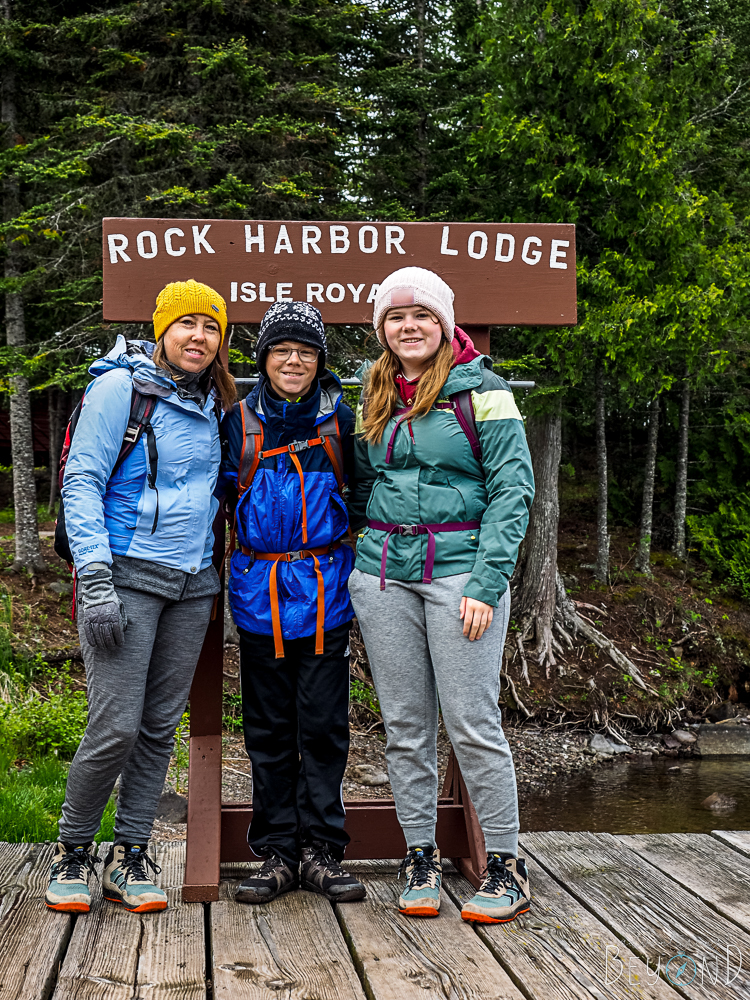
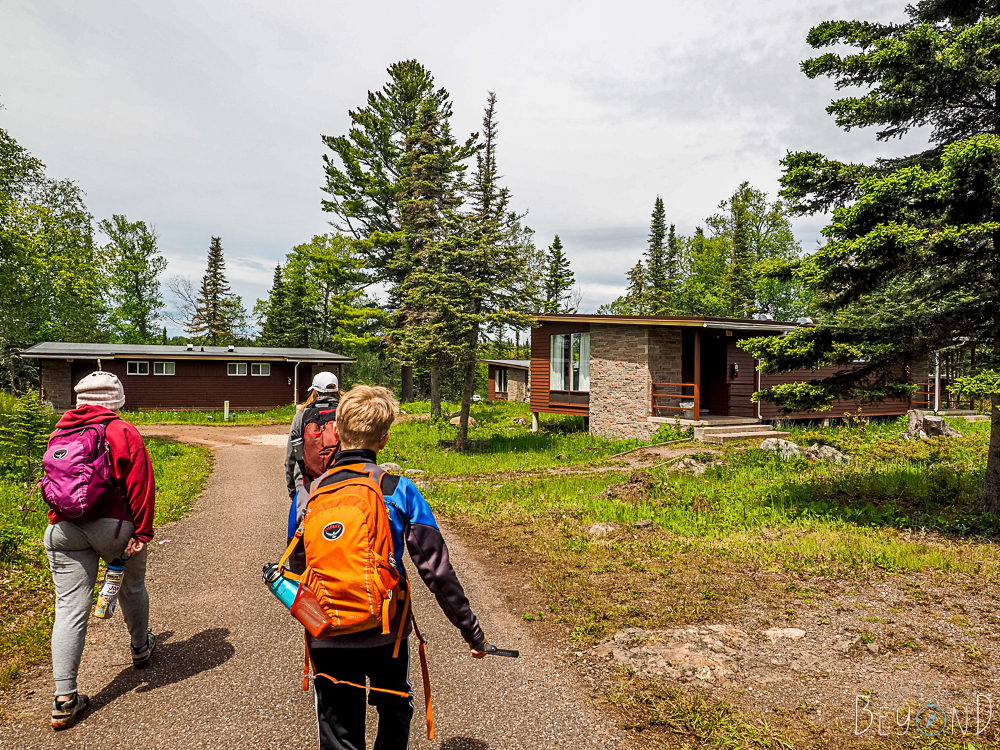
Isle Royale has three lodging options, and your choice will shape your entire trip. We decided to stay in the Housekeeping Rooms at Rock Harbor and, though it was not cheap and we had some extra houseguests (mice!), it was a great choice for us! It allowed us to cook our own meals and have a beautiful view and relaxing space to return to after being out hiking. We did also experience some rain while there and it was so nice to have a warm, dry space to hang out and play board games.
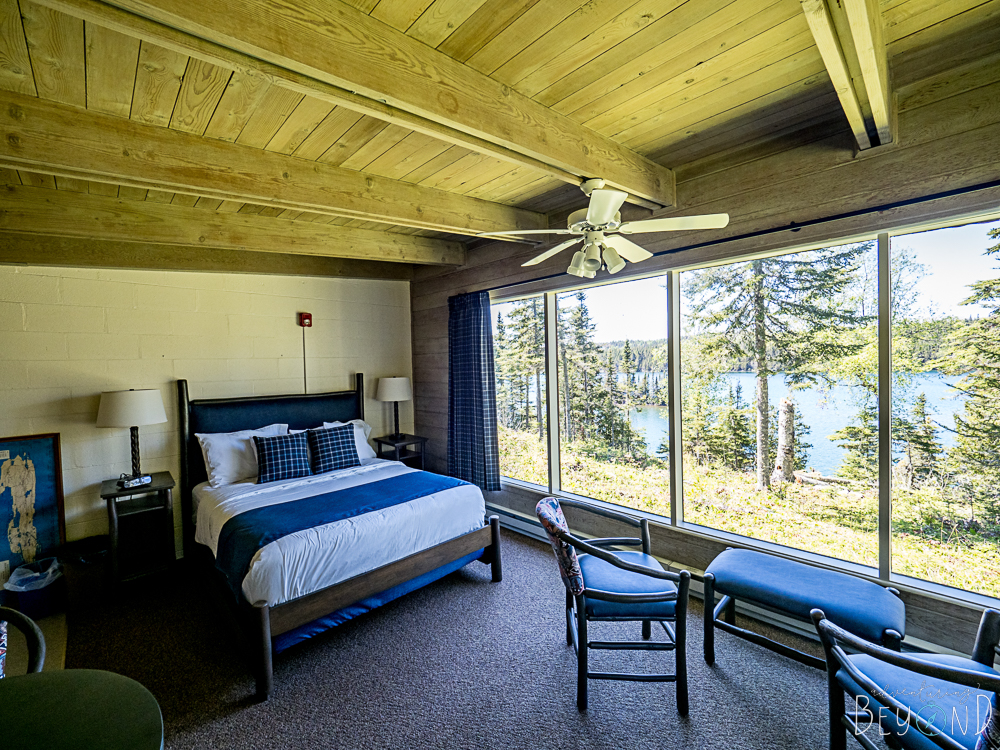
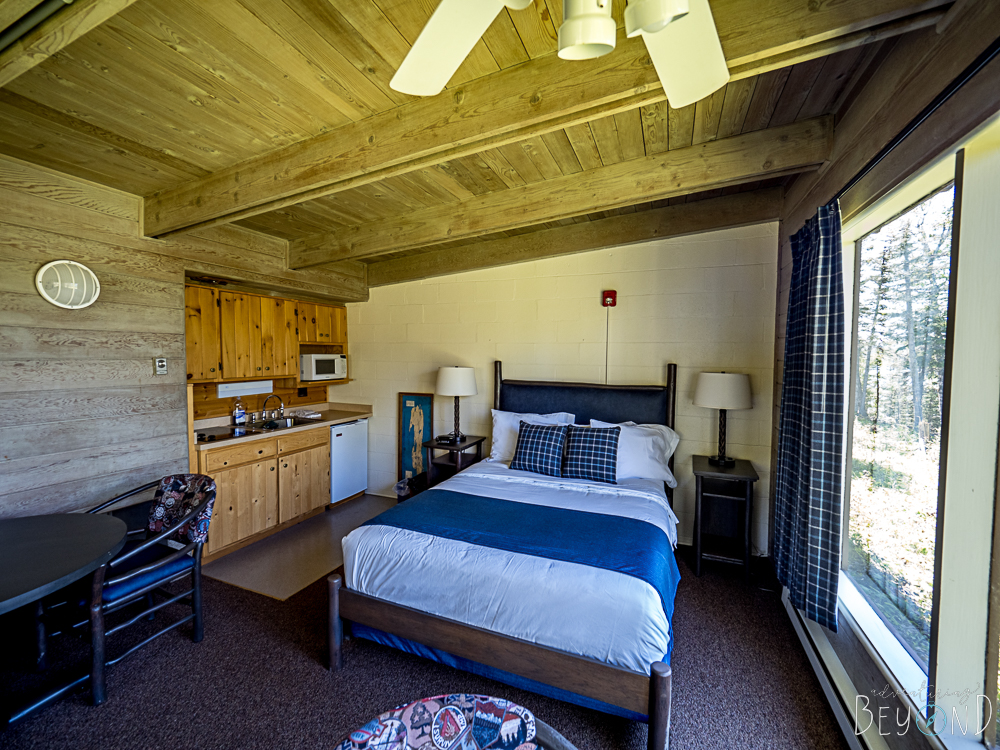
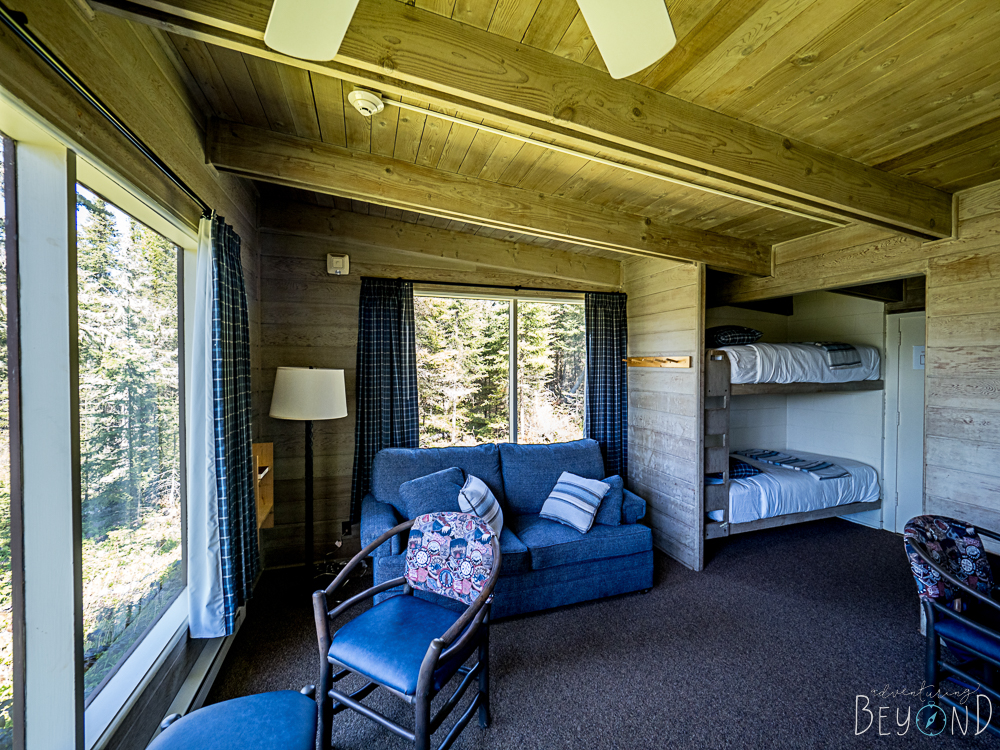
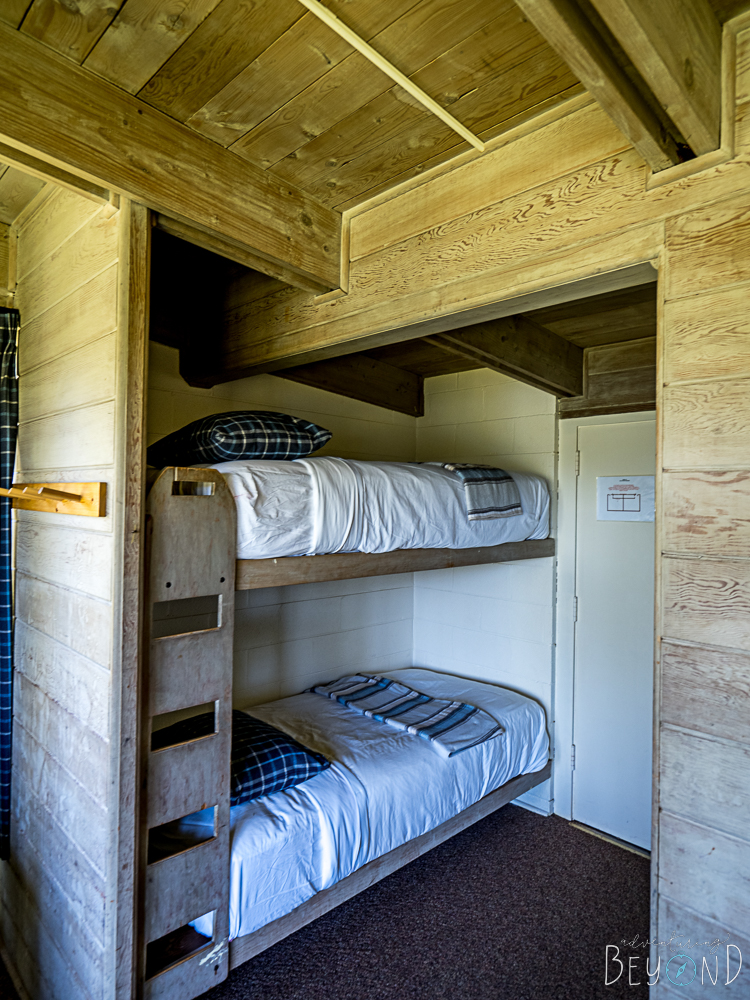
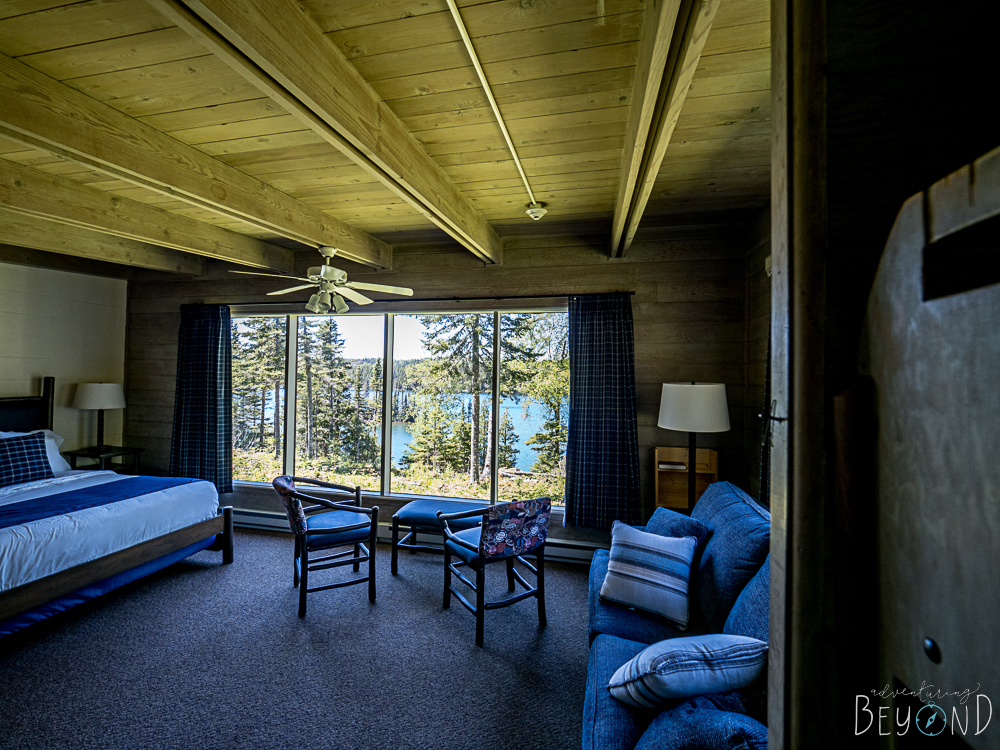
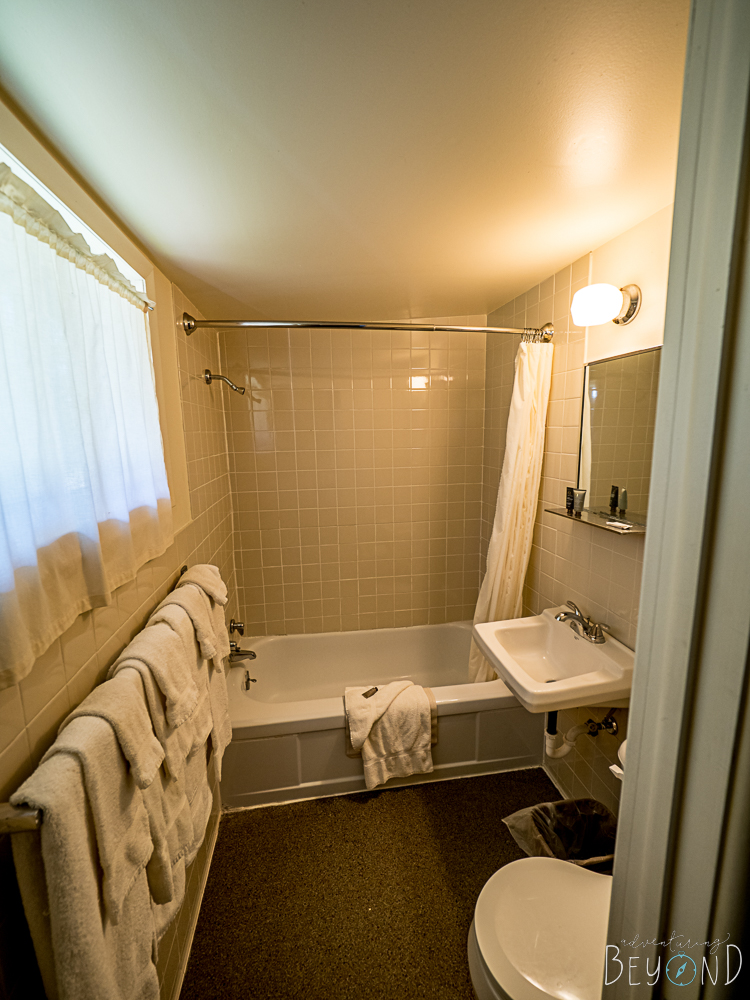
Rock Harbor Lodge is the only hotel-style option on the island, located near the main ferry dock on the east end. Rooms and cabins book up quickly and aren’t cheap, but if you want a bed, a shower, and a restaurant after a day of hiking, this is it. Check Rock Harbor Lodge availability here.
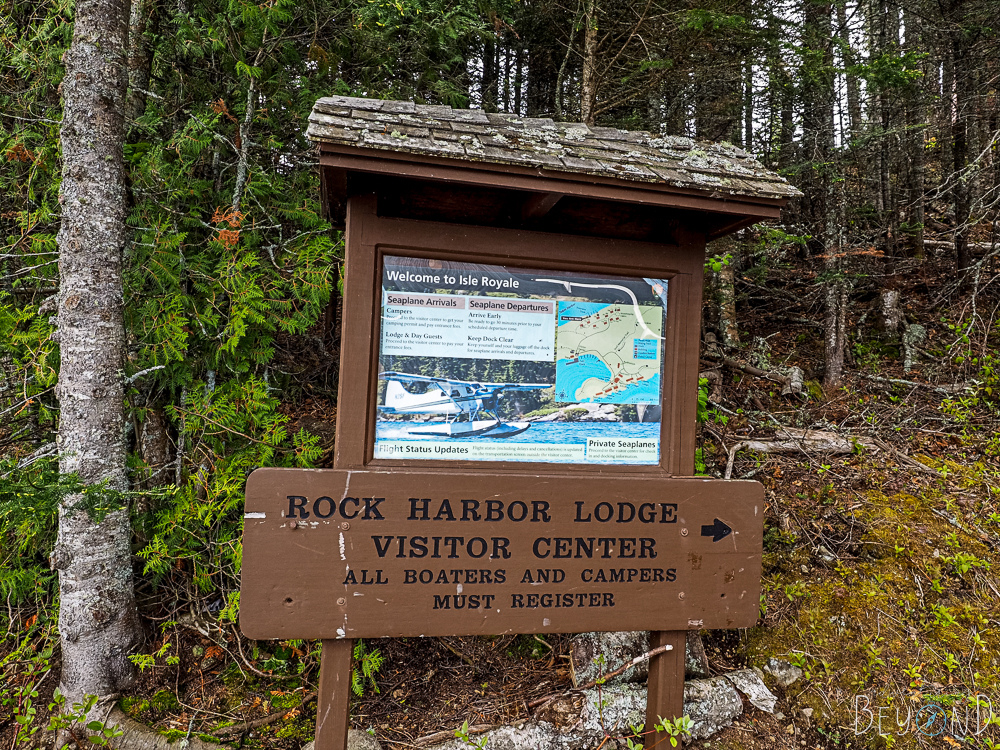
Windigo on the west end has more rustic camper cabins and is a quieter entry point, popular with those doing longer backcountry hikes starting from that side.
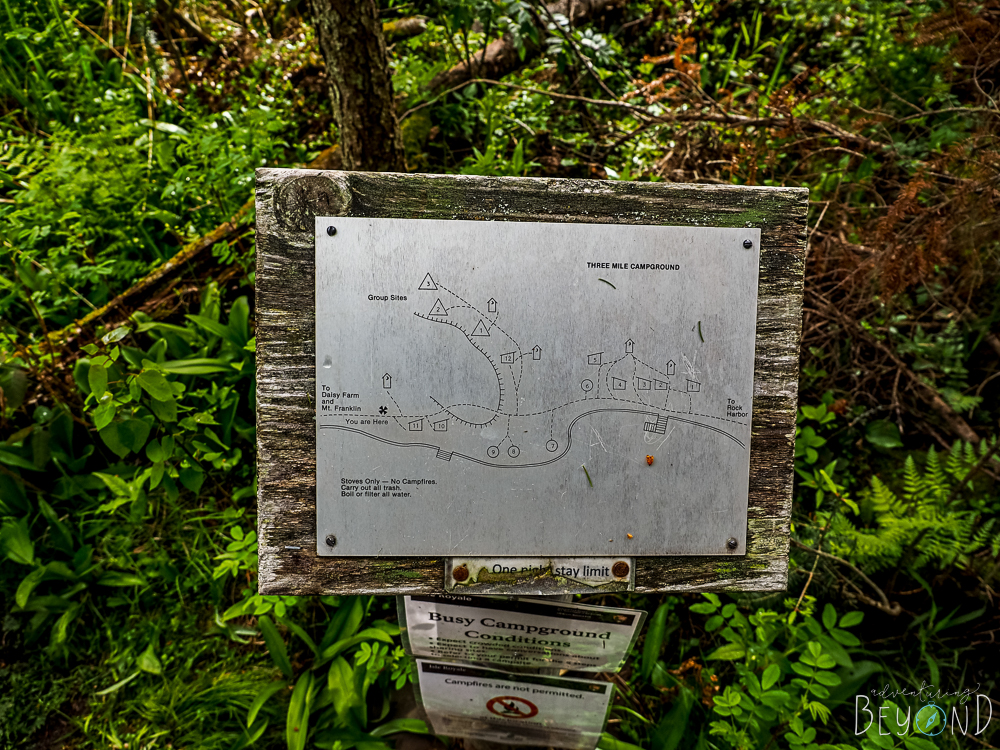
Backcountry camping is the most popular way to experience the park. There are 36 campgrounds scattered across the island’s trail network, ranging from three-sided shelters to simple tent sites. A backcountry permit is required and can be reserved in advance or obtained on arrival, but in peak season, reserving ahead is strongly recommended.
If you’re camping, a solid packing list matters more here than almost anywhere else in the national park system, since there’s no quick trip to a gas station if you forget something.
What to Pack
Isle Royale has very few services. The store at Rock Harbor is fairly well equipped for its size, but you definitely pay a premium, so make sure you are well prepared and pack everything you need for your stay on Isle Royale. The exception being that if you are taking the seaplane and planning on camping on the island, propane is not allowed and will need to be purchased once on the island.
- Water filtration system – There is no potable water on most of the island; you’ll be filtering from lakes and streams the entire trip. [This is the filter most backpackers here swear by].
- Layered clothing – Lake Superior creates its own microclimate. It can be 80°F and sunny at the dock and 50°F with fog rolling in by afternoon.
- A sturdy backpacking tent rated for wind and rain
- Bug protection – Black flies and mosquitoes are relentless in June and July; a head net is not optional
- Offline maps and a paper map/compass backup – there’s no cell signal anywhere on the island
- A satellite communicator like a Garmin inReach – this isn’t a luxury item here, it’s a genuine safety tool given the total lack of connectivity. We did not have anything like this as the hikes we took were fairly short, but if we did backpack on the island, we would have wanted something like this.
Best Hikes
Greenstone Ridge Trail – This is the marquee route – a roughly 40-mile traverse of the island’s spine, typically done in 4-5 days, with sweeping views over Lake Superior on clear days.
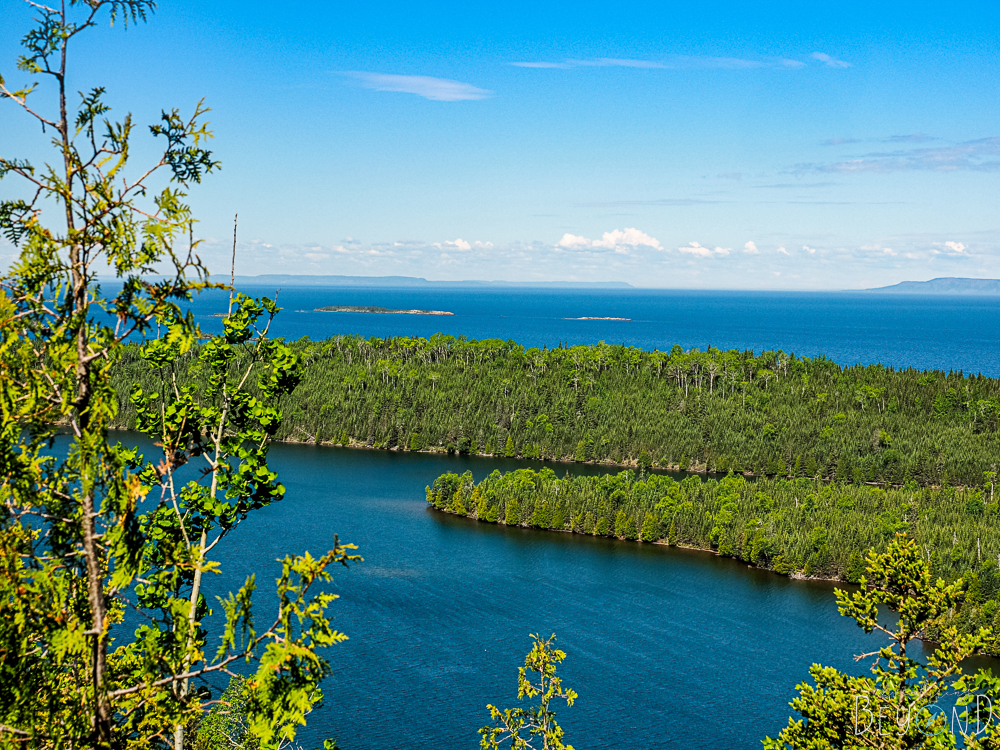
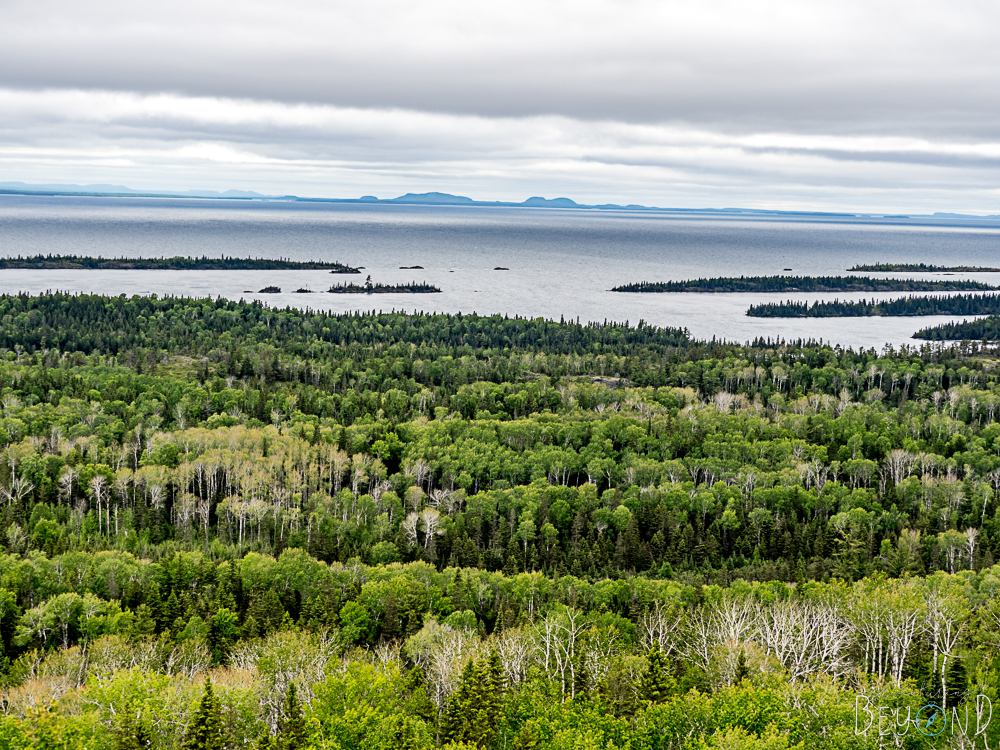
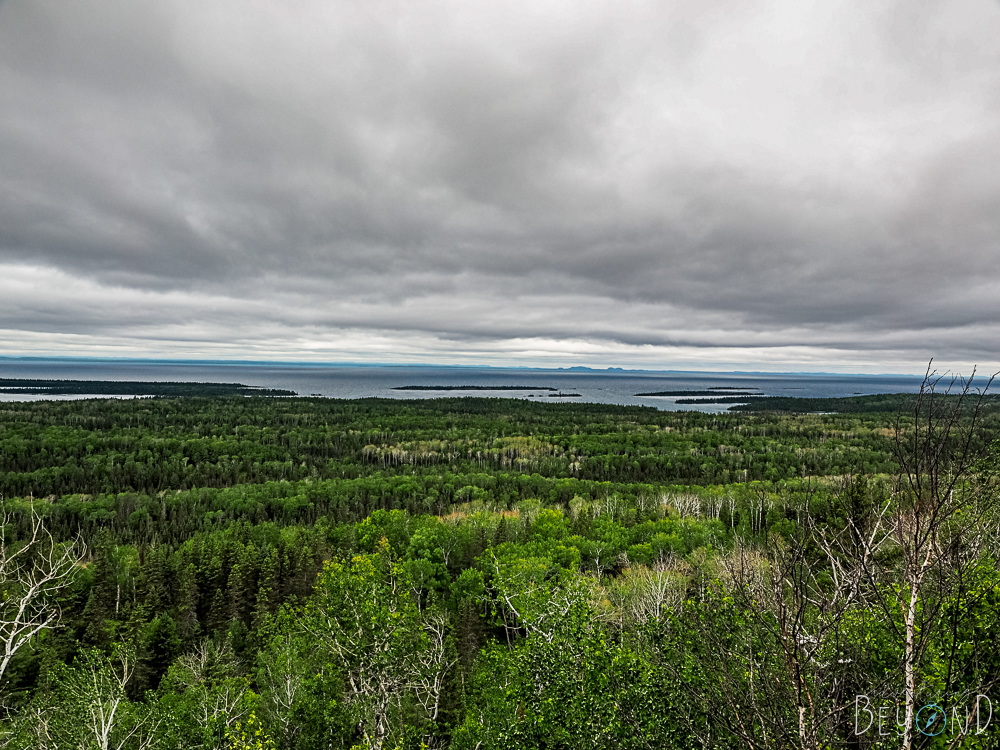
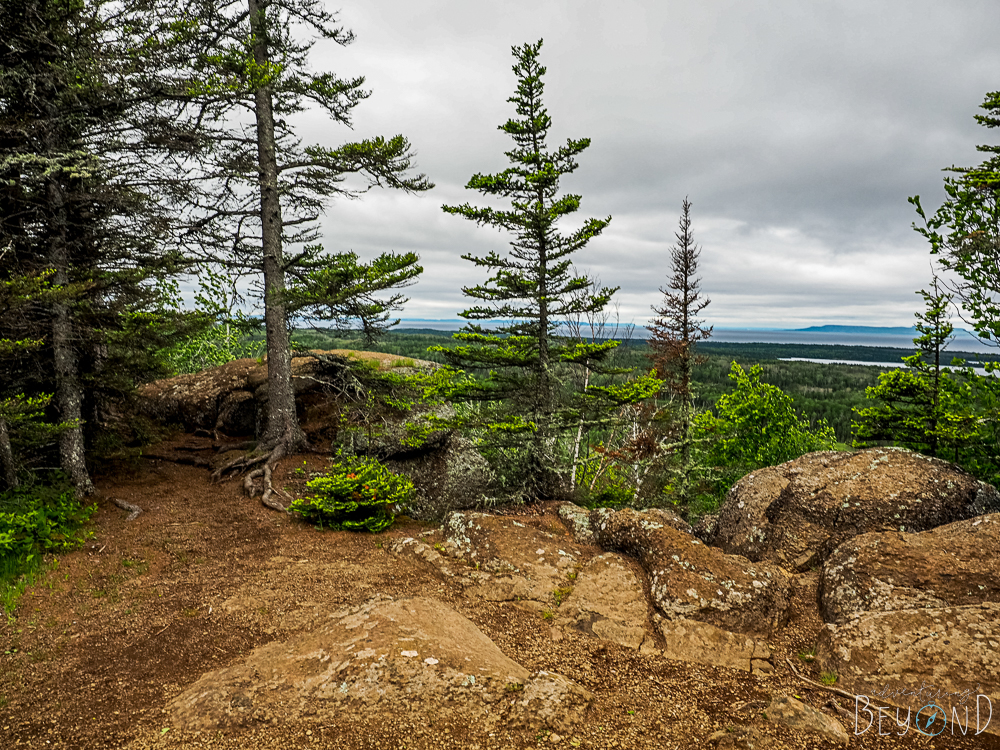
Lookout Louise – For those staying in Rock Harbor, as we did, we rented a canoe and kayak and took it across Tobin Harbor to hike to Lookout Louise. It was fun to get out on the water in the park and enjoy a view over the smaller islands to the West. The hike from the Hidden Lake dock off Tobin Harbor to Lookout Louise in Isle Royale National Park is about a 1.8-mile round-trip trail with a steady 300-foot climb and panoramic views of Canada on a clear day.
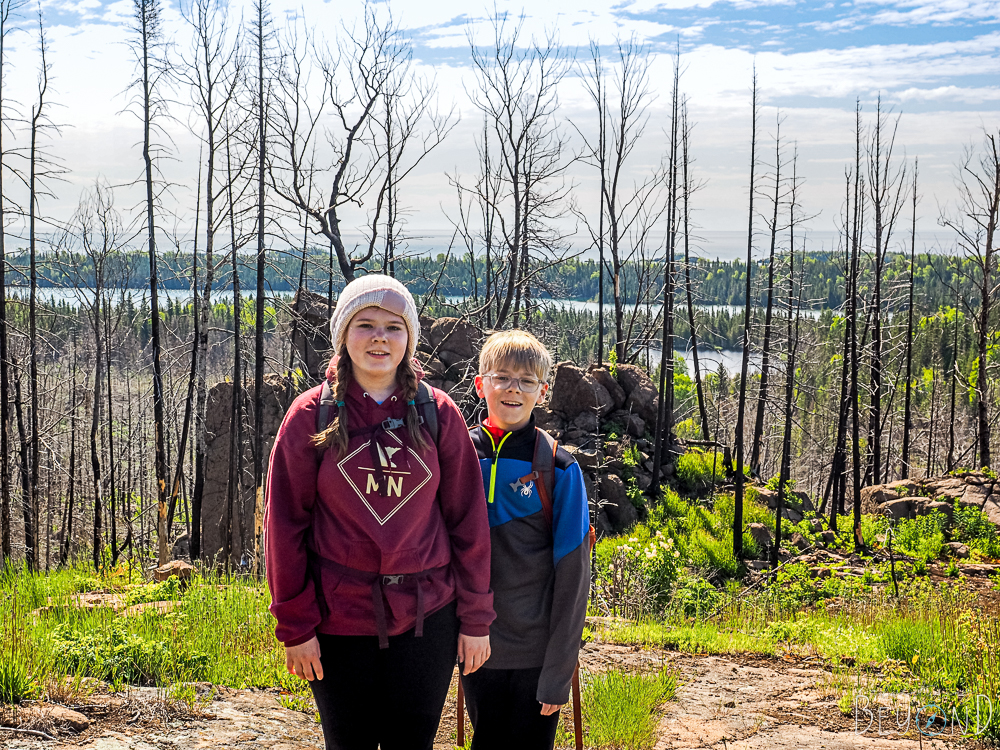
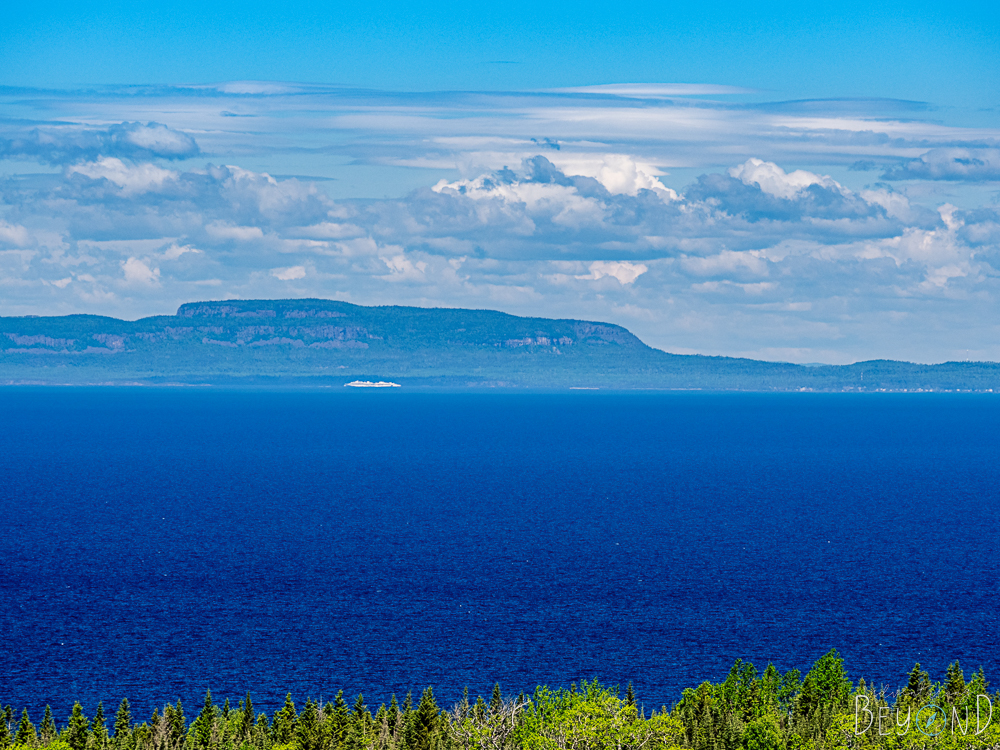
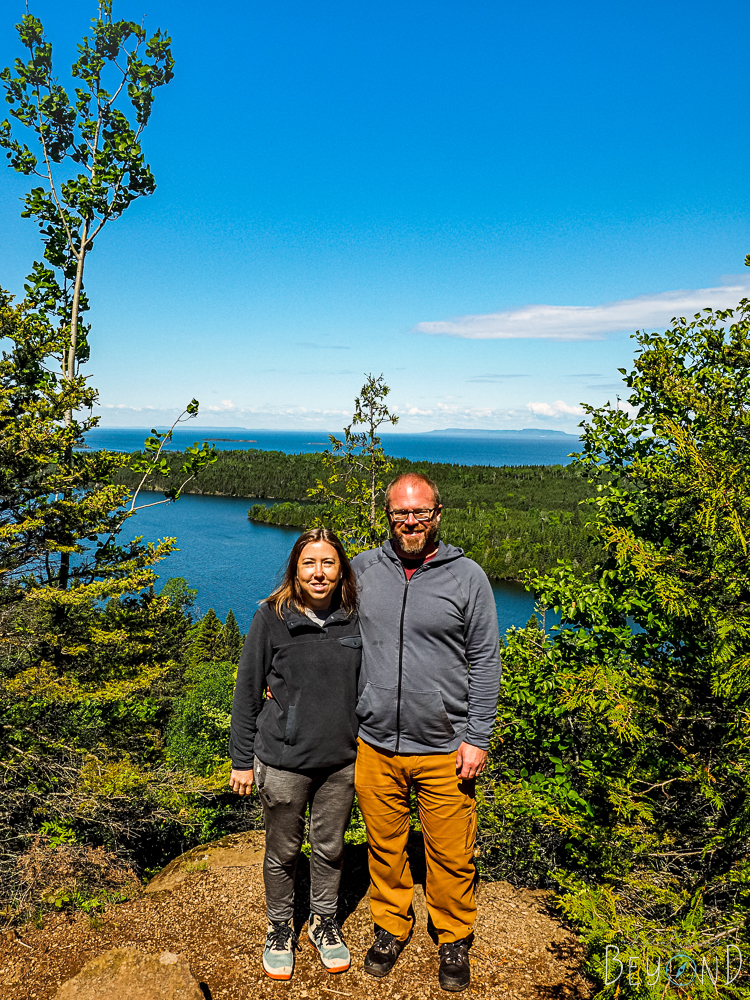
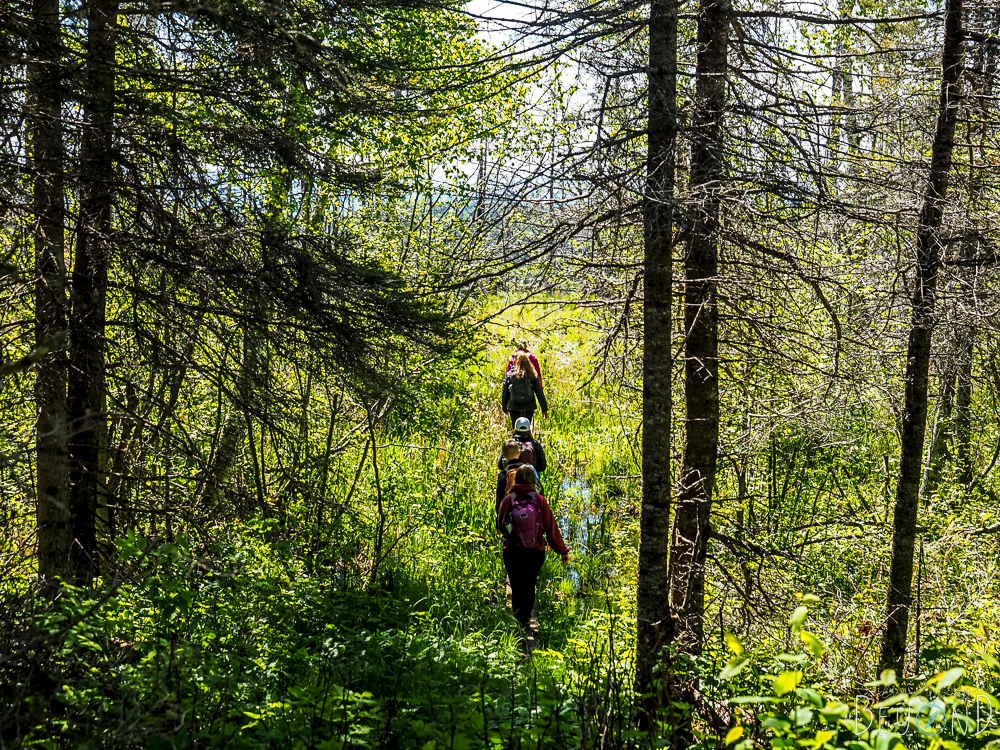
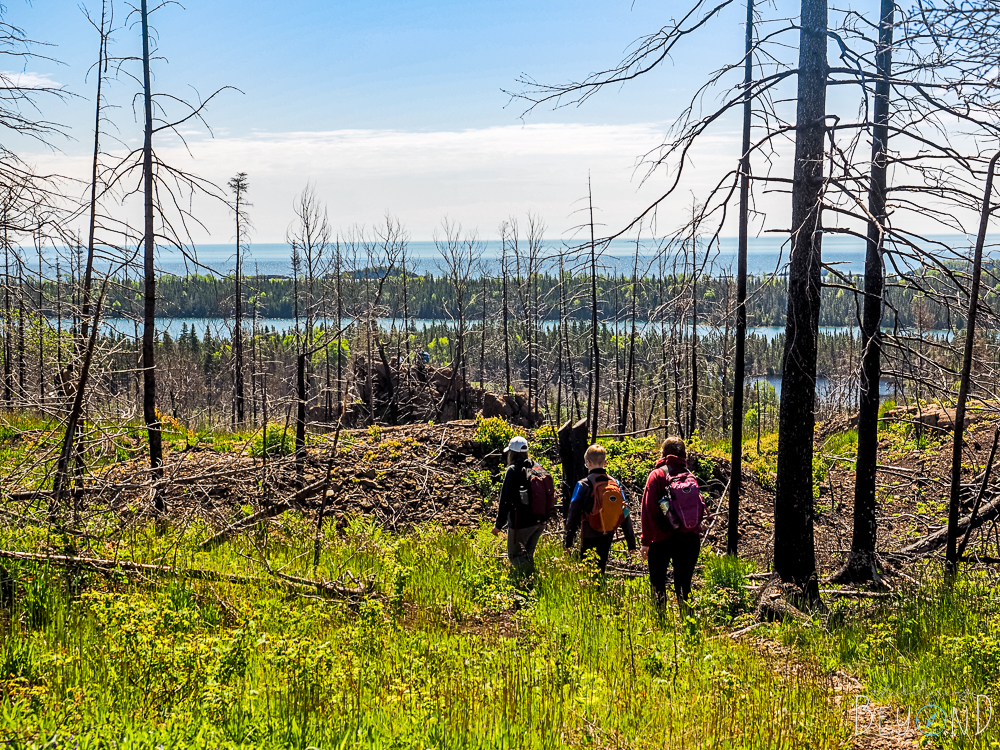
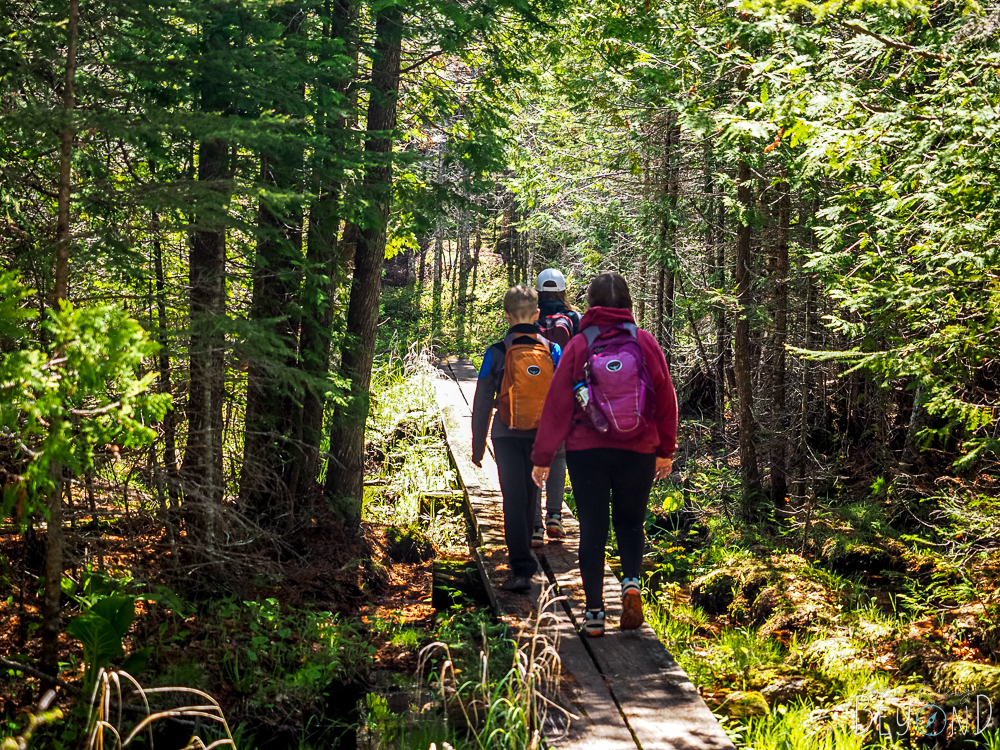
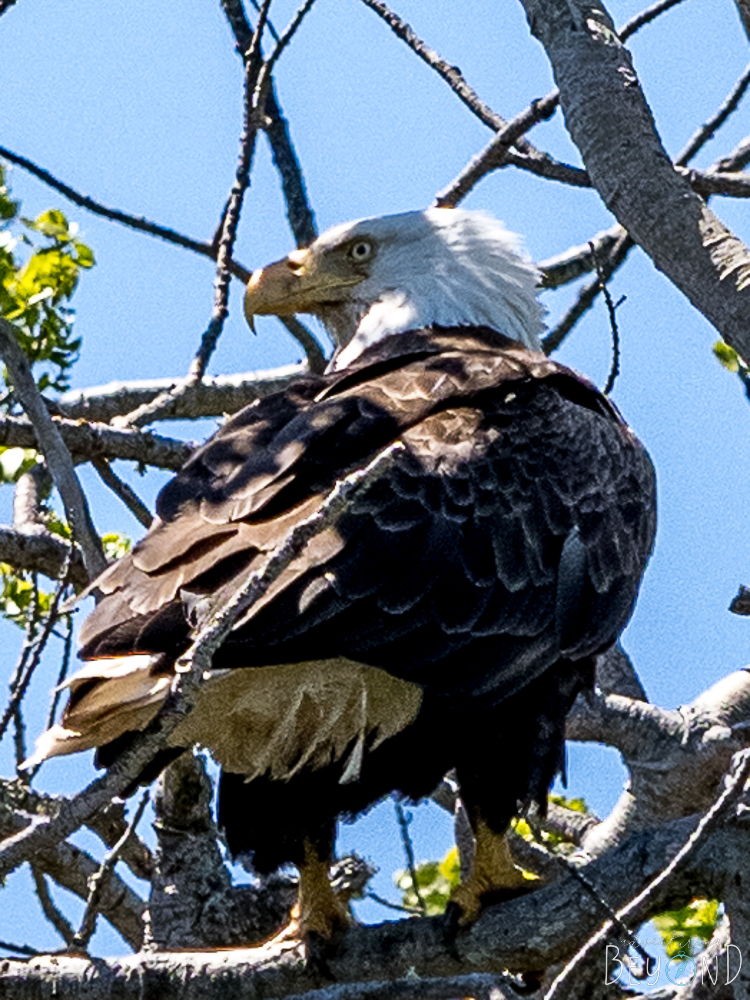
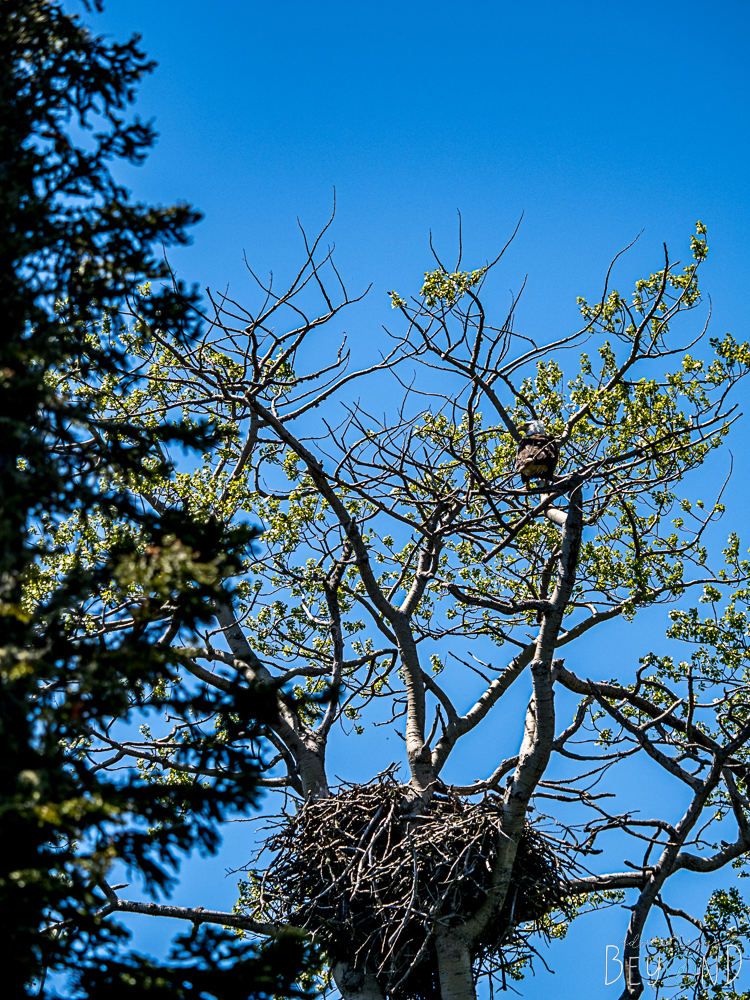
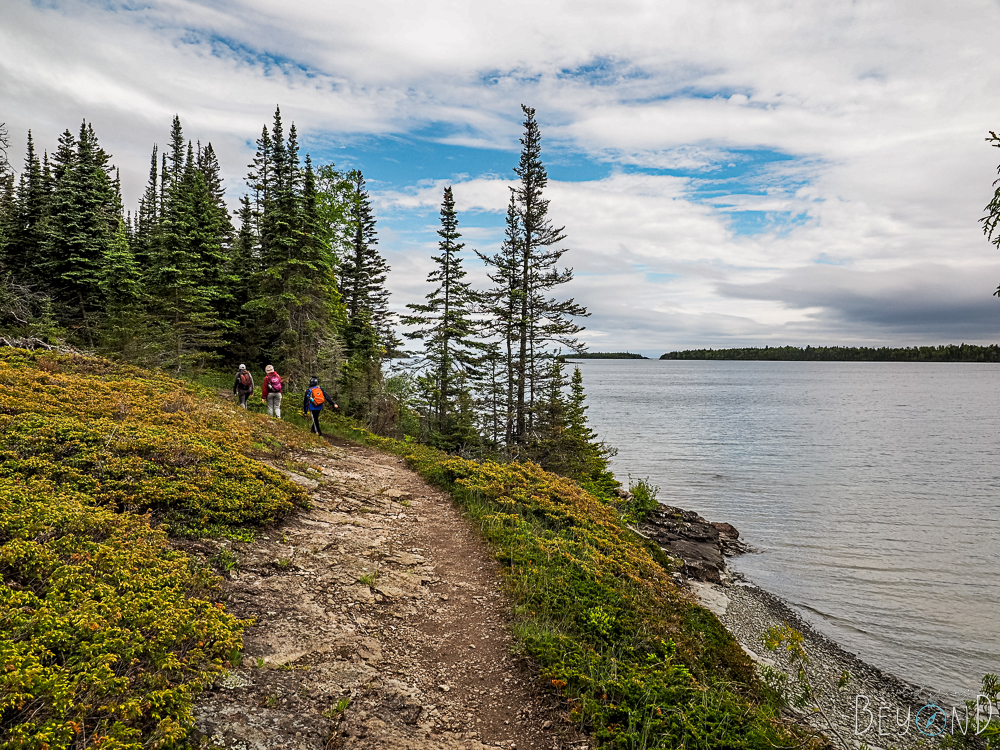
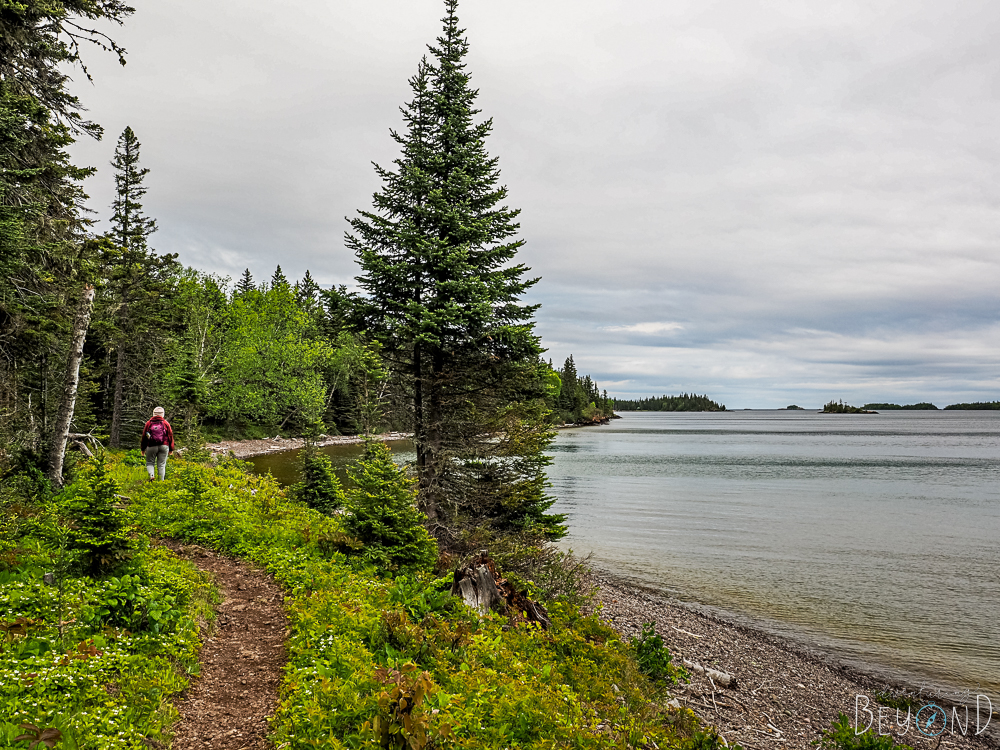
Scoville Point – Around 4.2 to 4.9 miles round trip, this is an excellent moderate day hike near Rock Harbor for those with less time or on a shorter visit. We hiked to Scoville Point on the day we flew in and it was a great introductory hike. The trailhead starts near the Rock Harbor Lodge and visitor center area. It is a figure-eight style loop that transitions between a shaded forest path and an exposed, rocky shoreline along Lake Superior. The park rangers told us to keep our eye out for an eagle’s nest at a certain point along the trail and it was neat to spot the baby eagles peeping their heads out of the large nest.
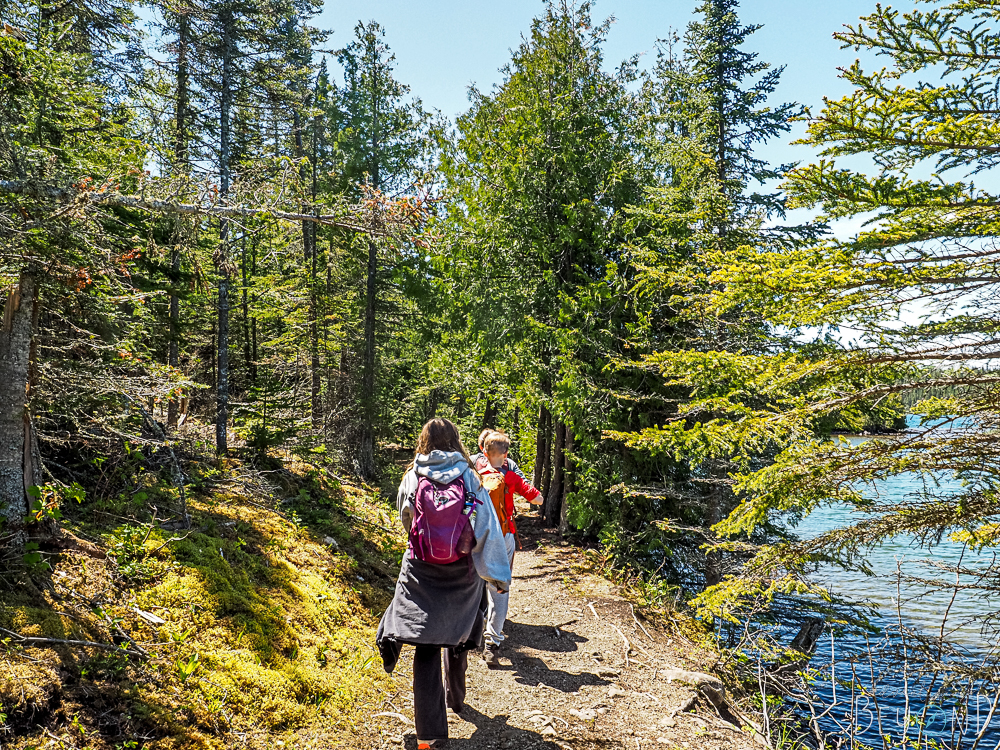
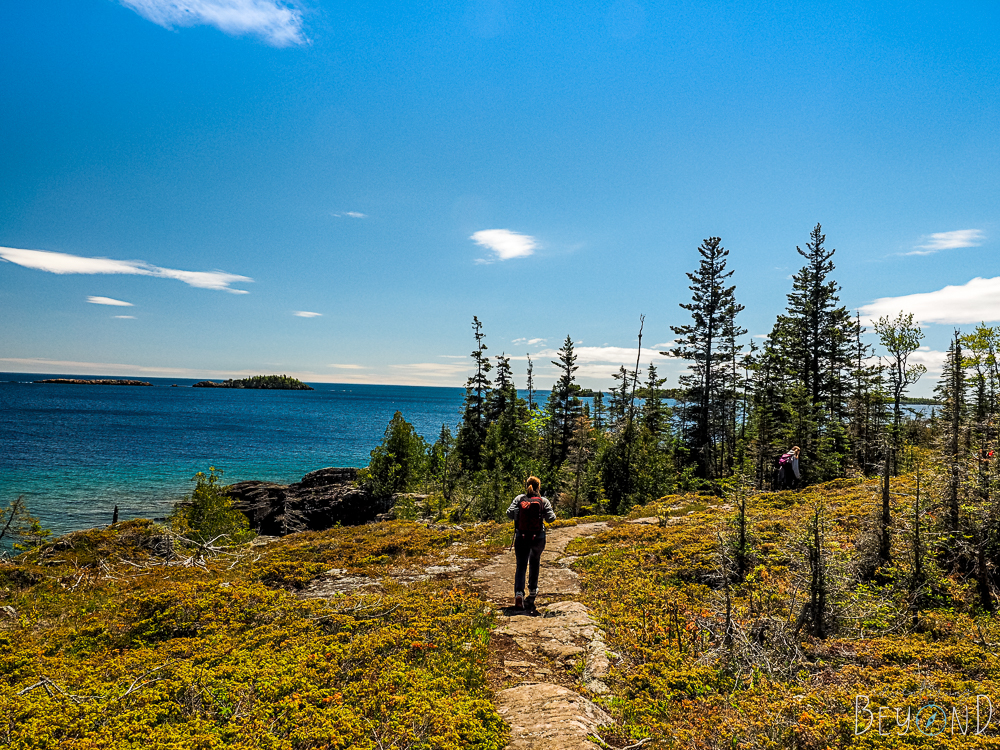
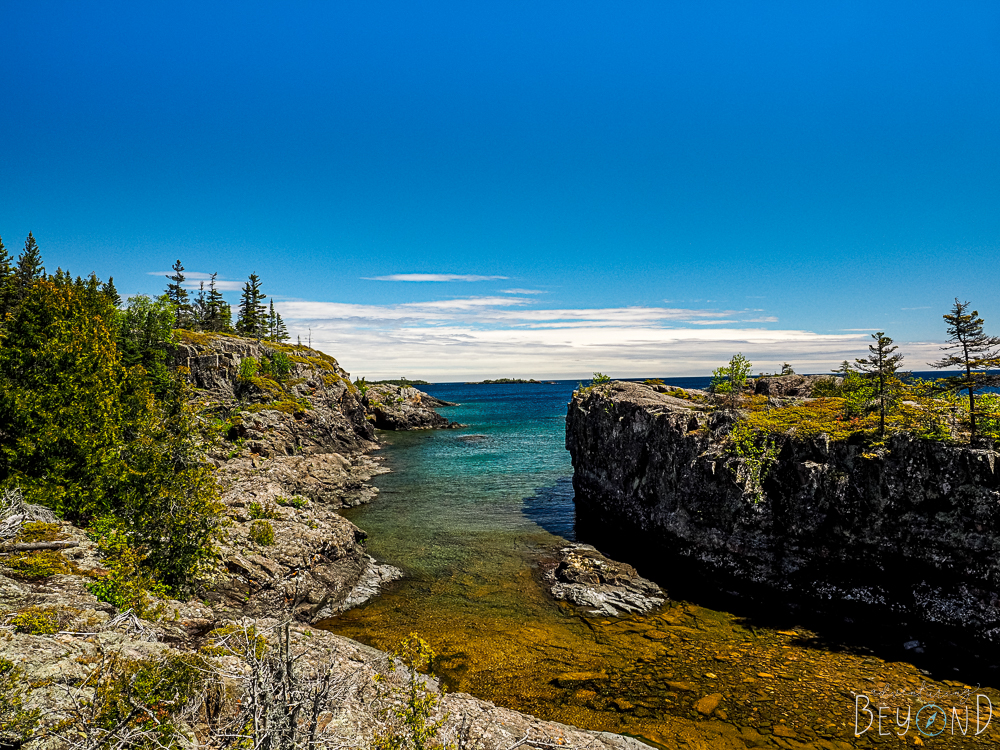
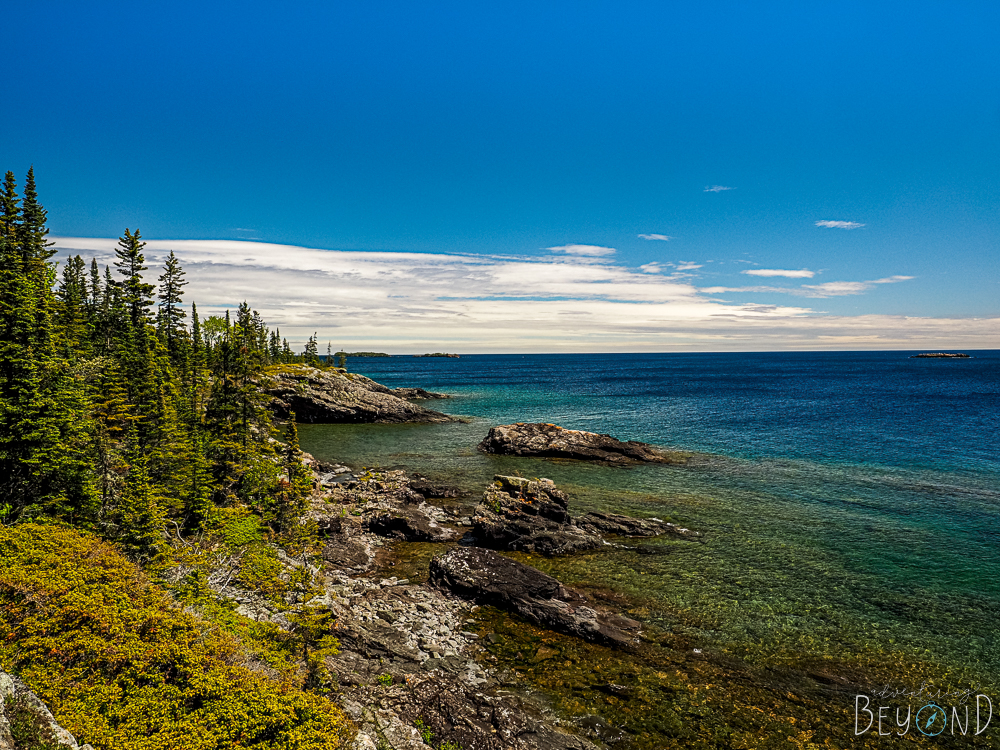
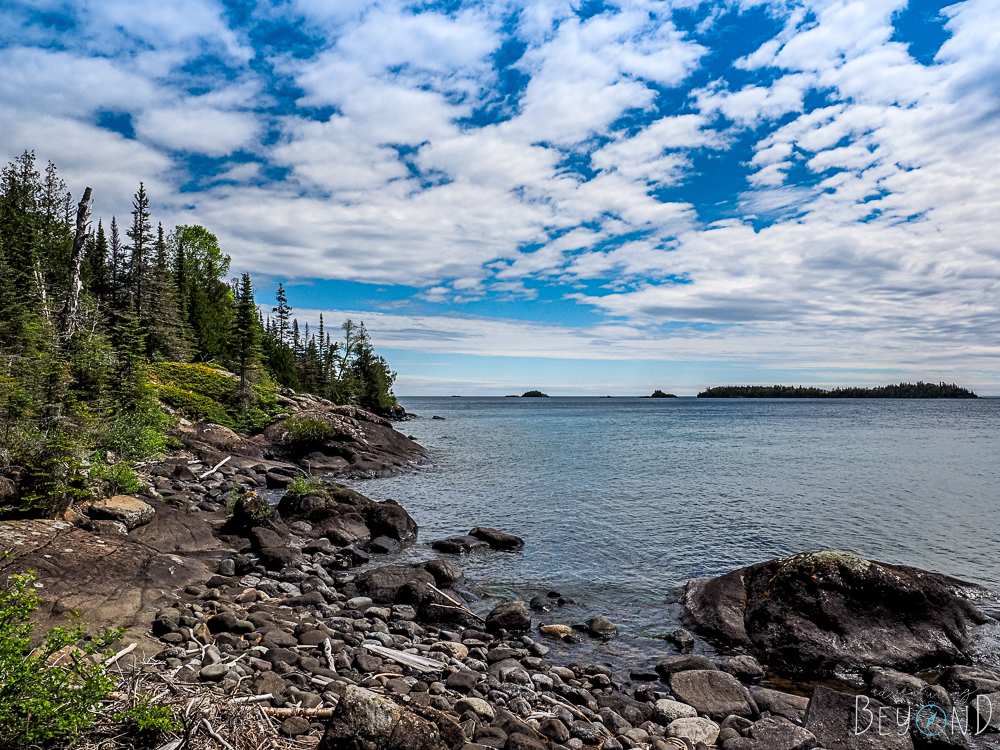
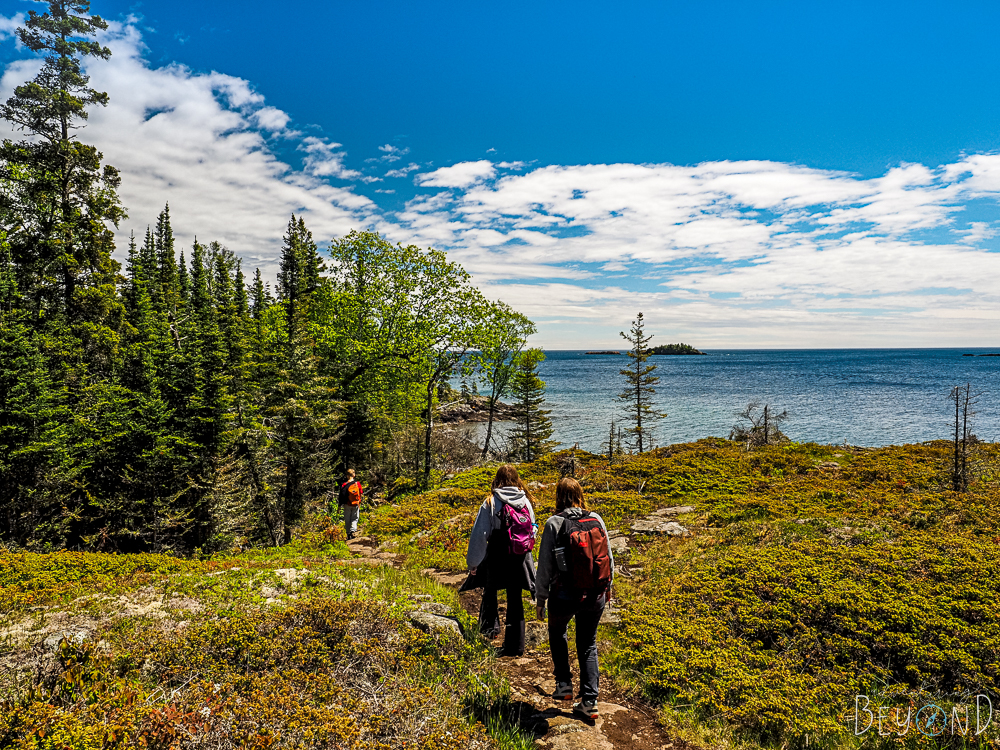
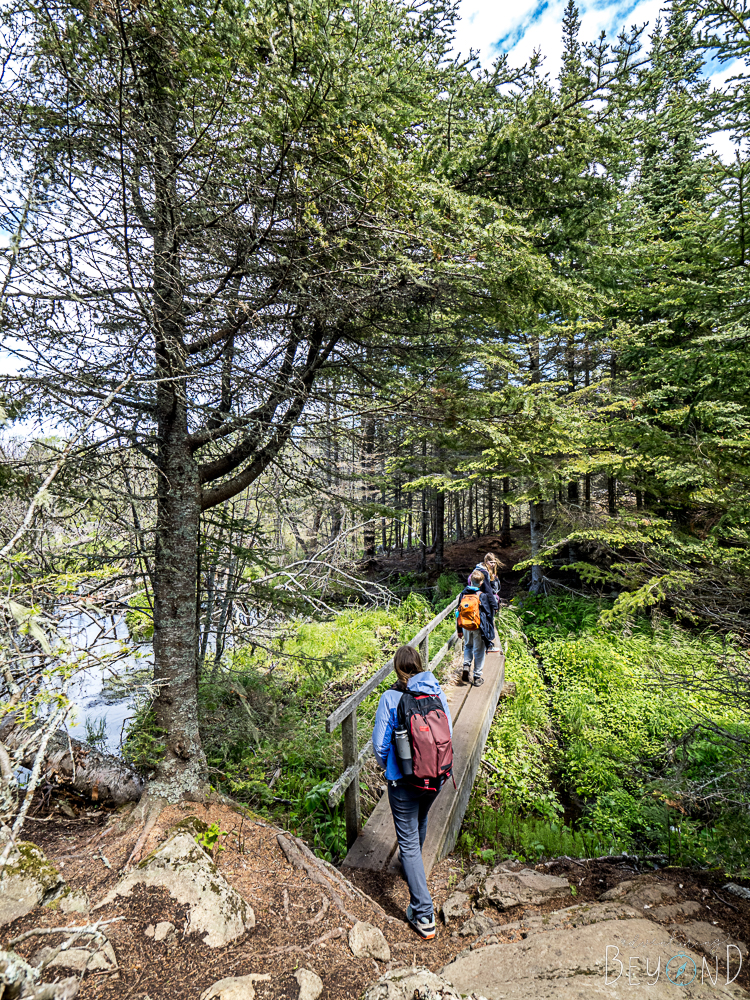
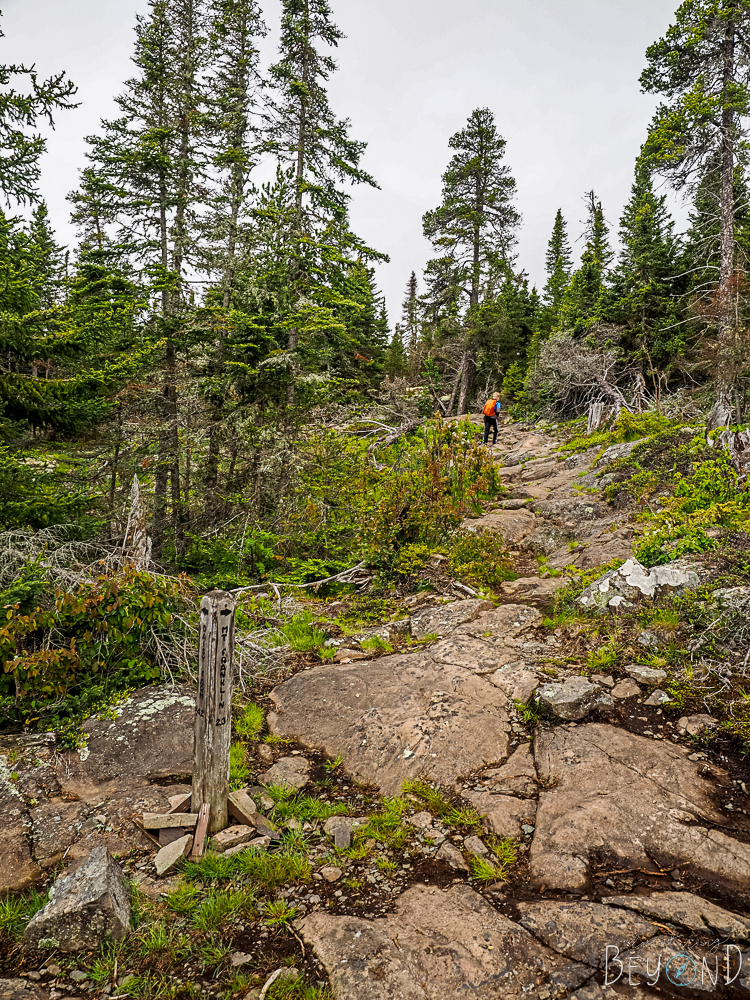
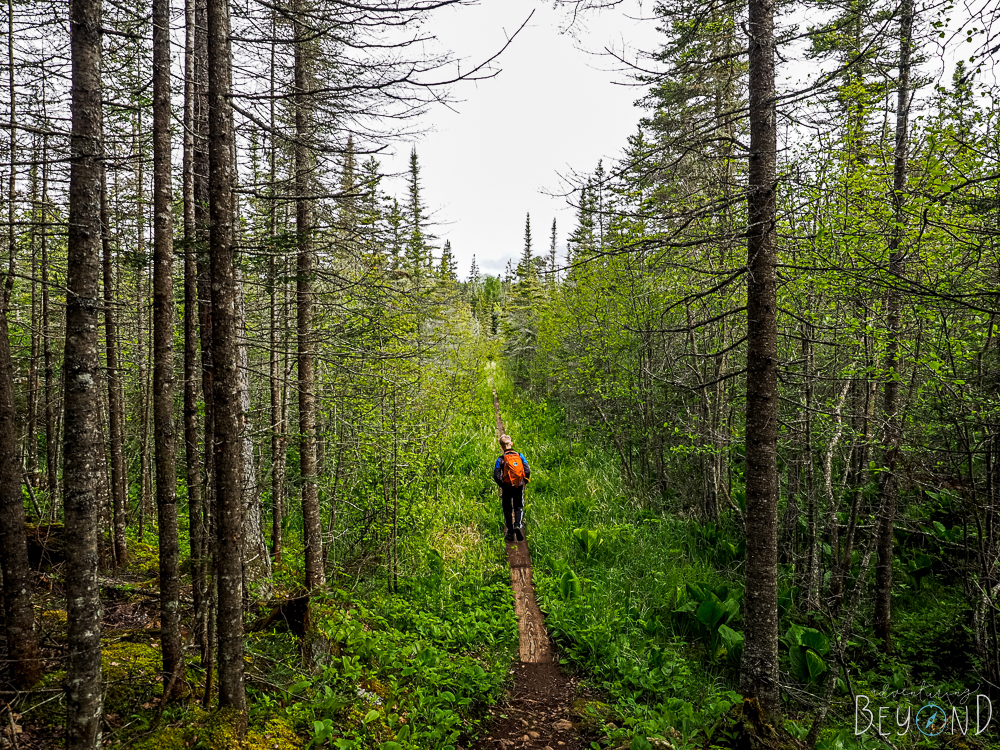
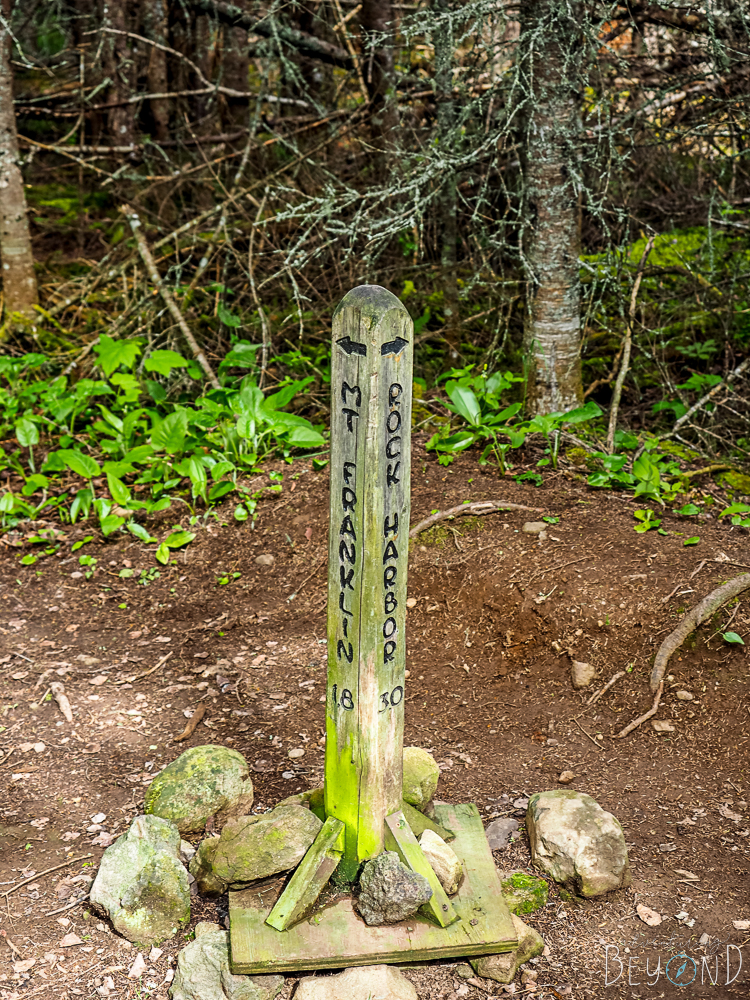
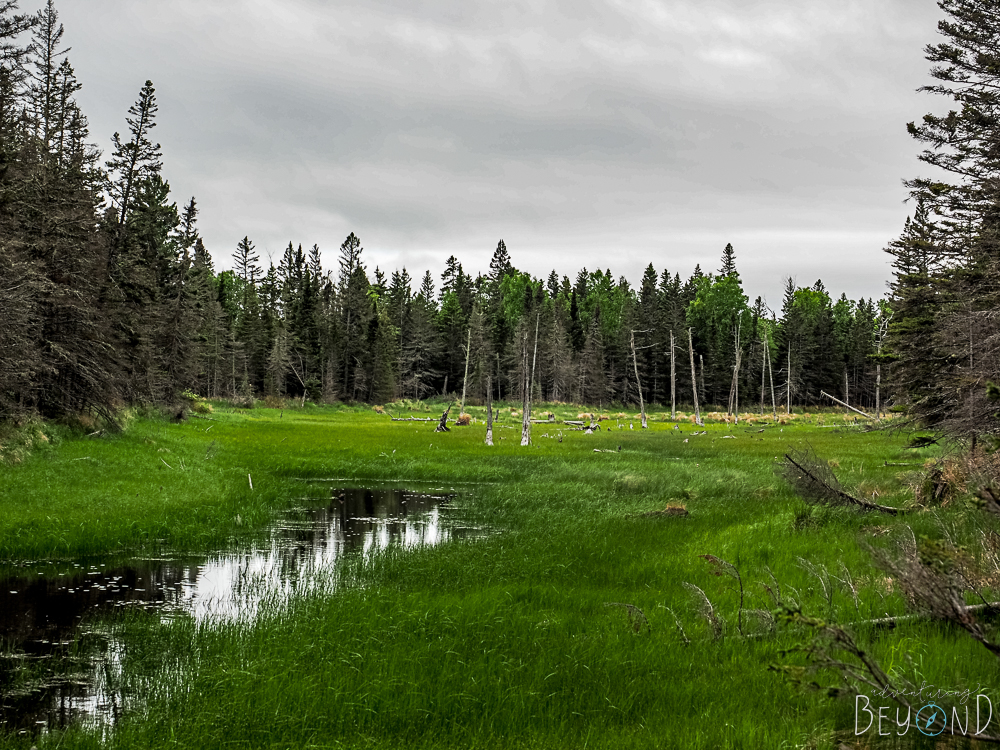
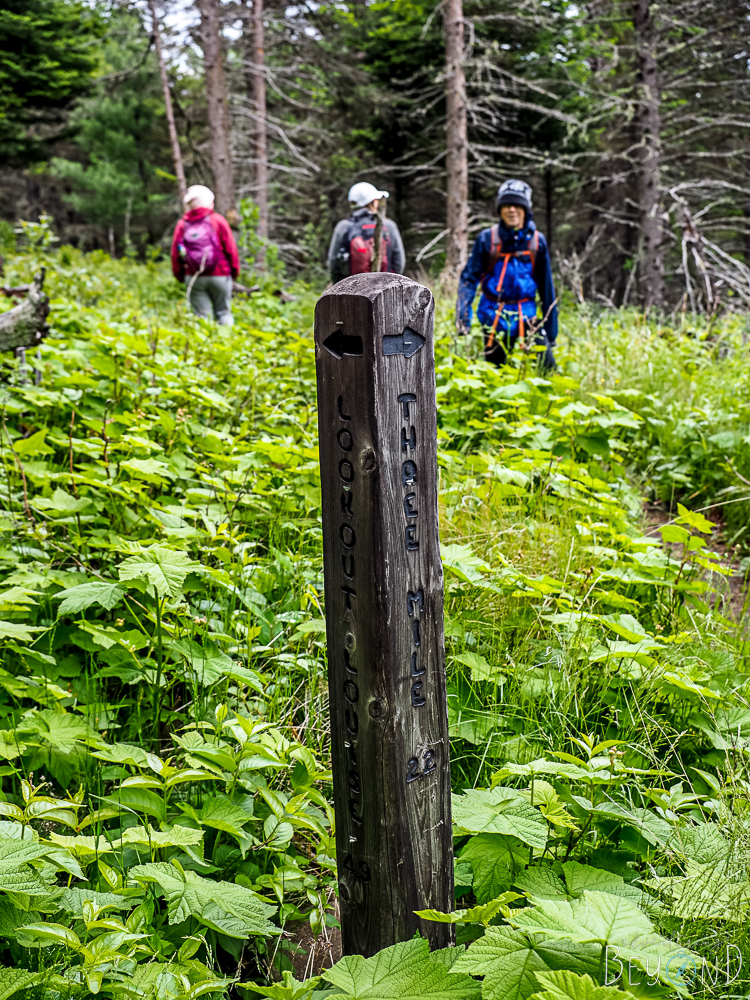
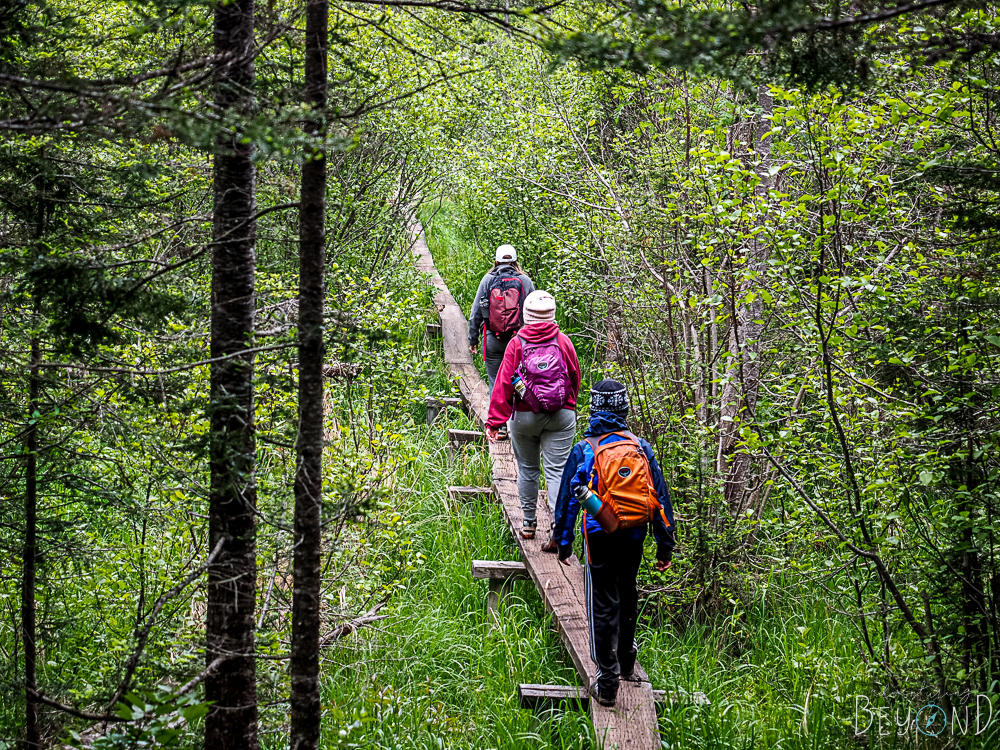
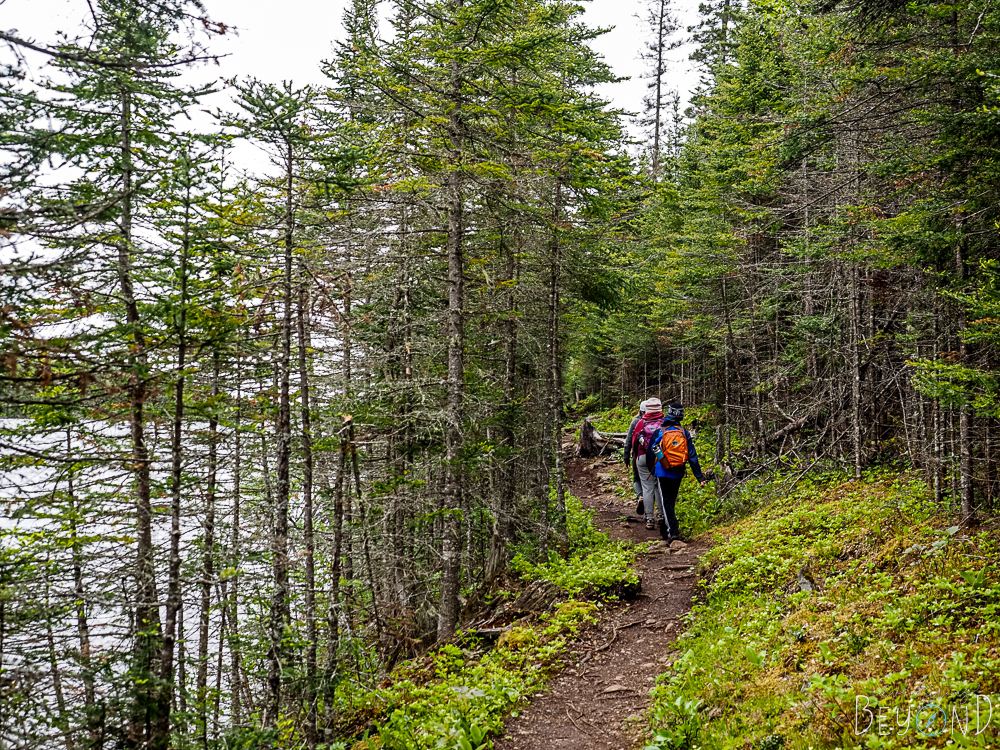
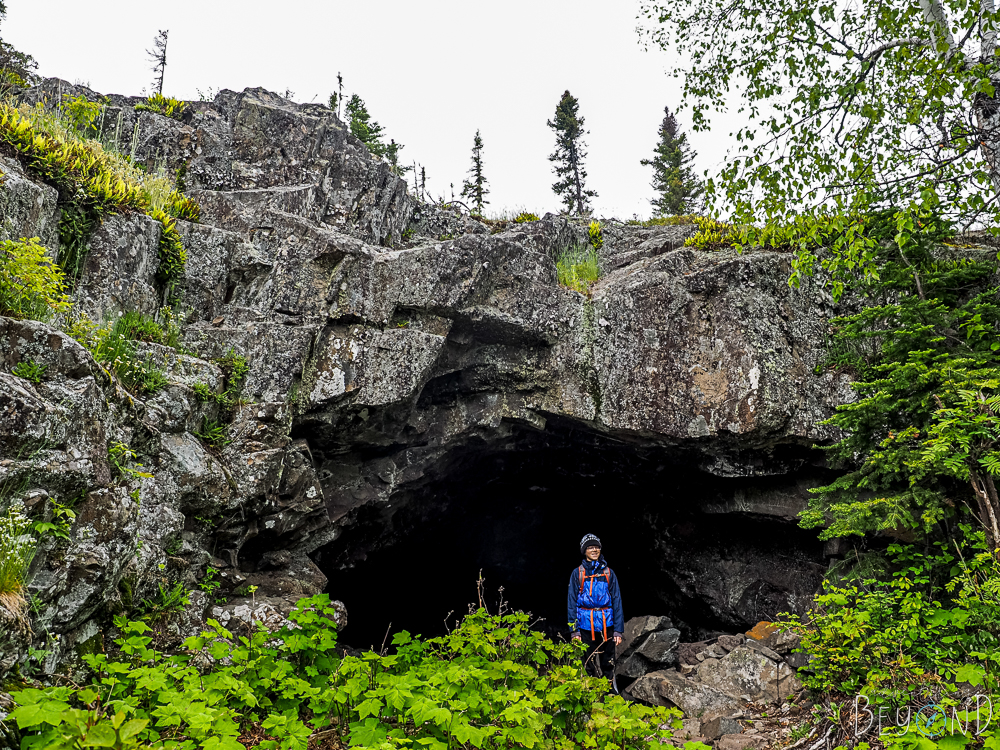
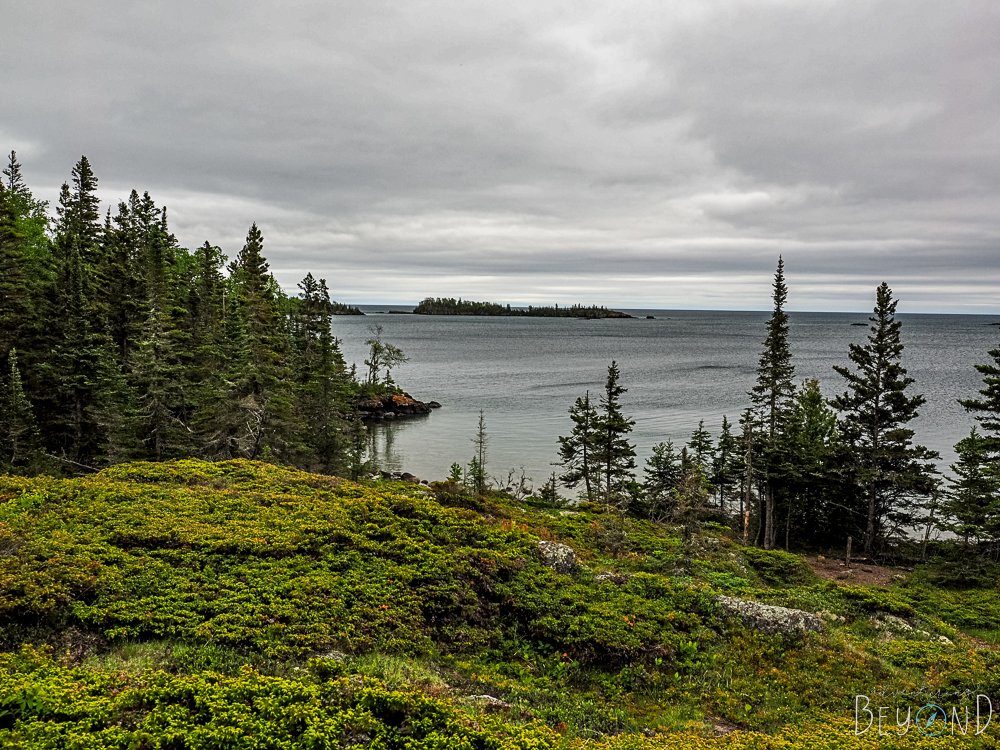
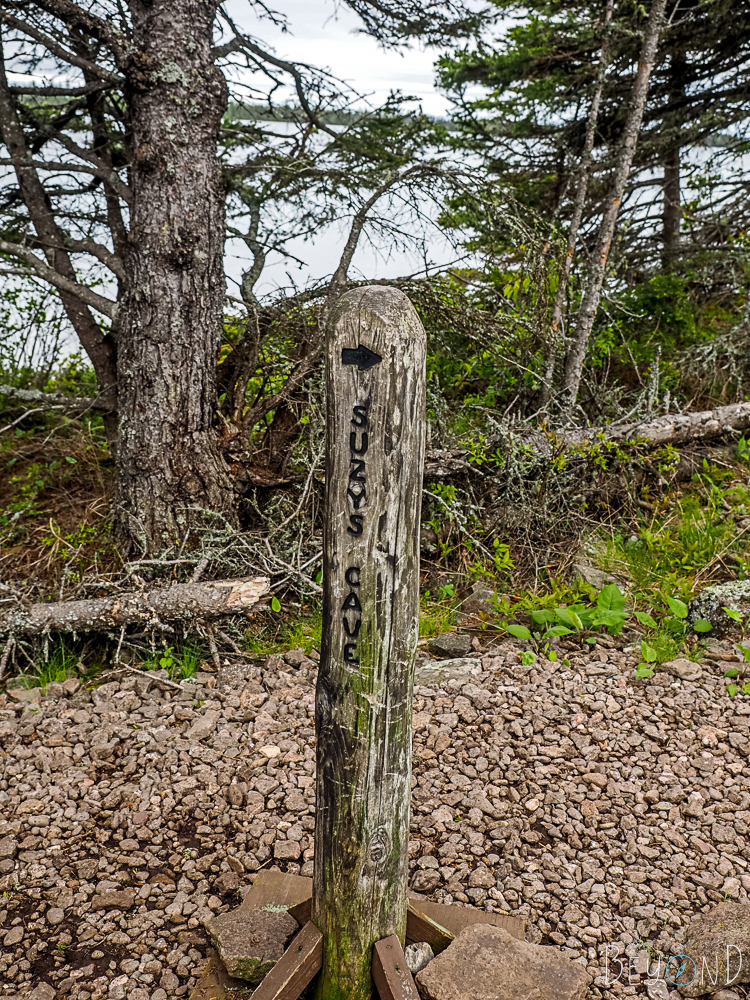
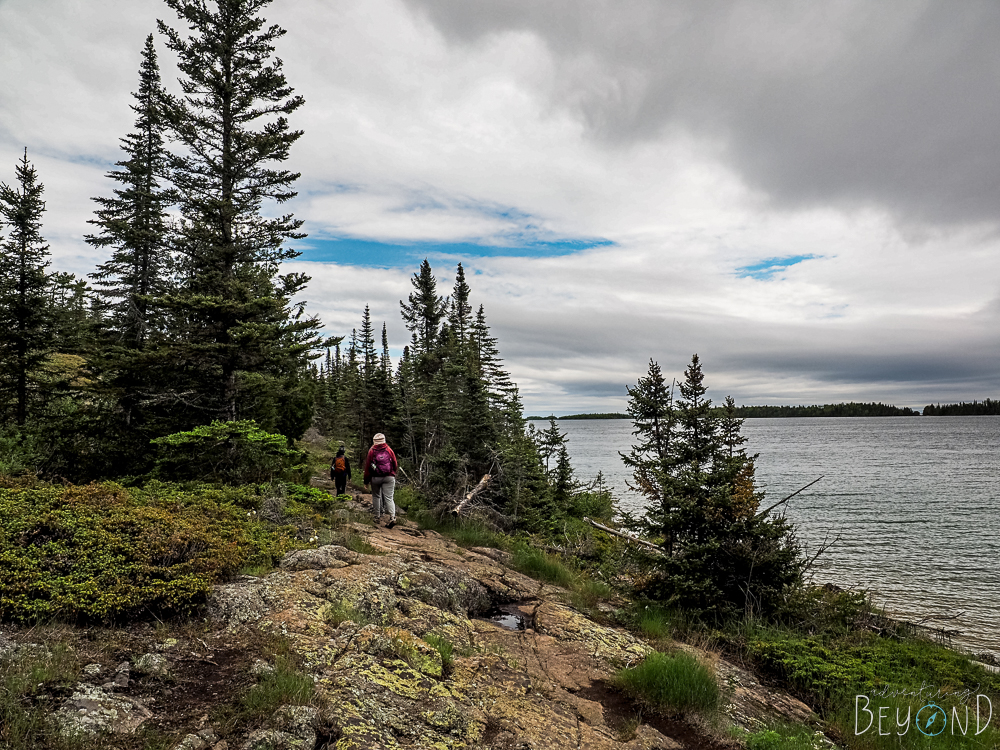
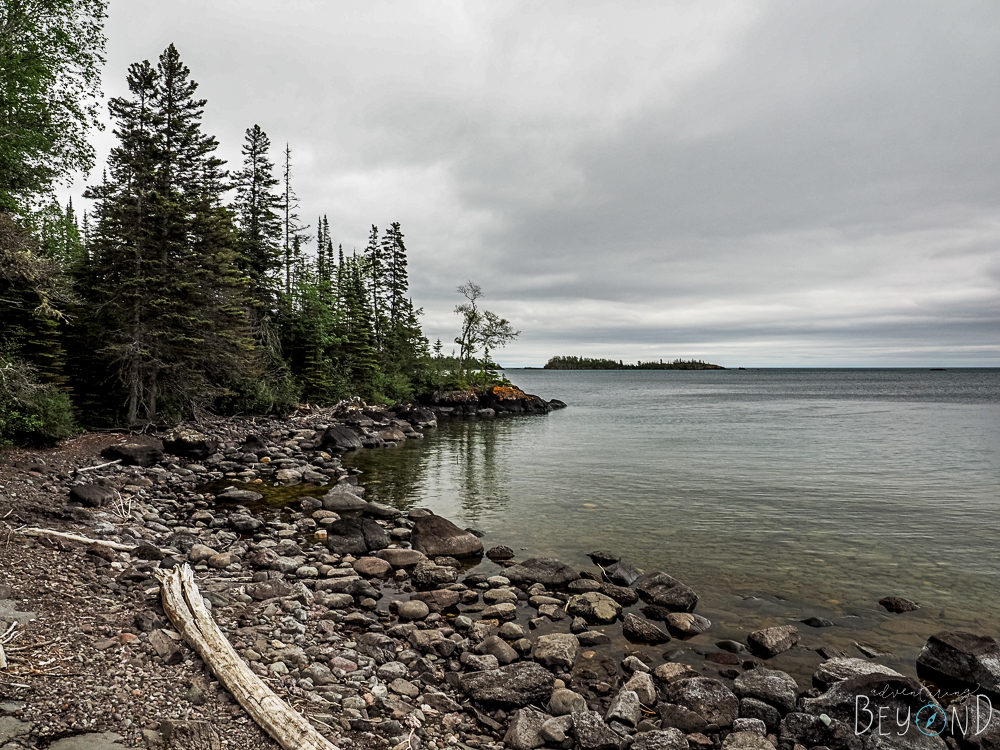
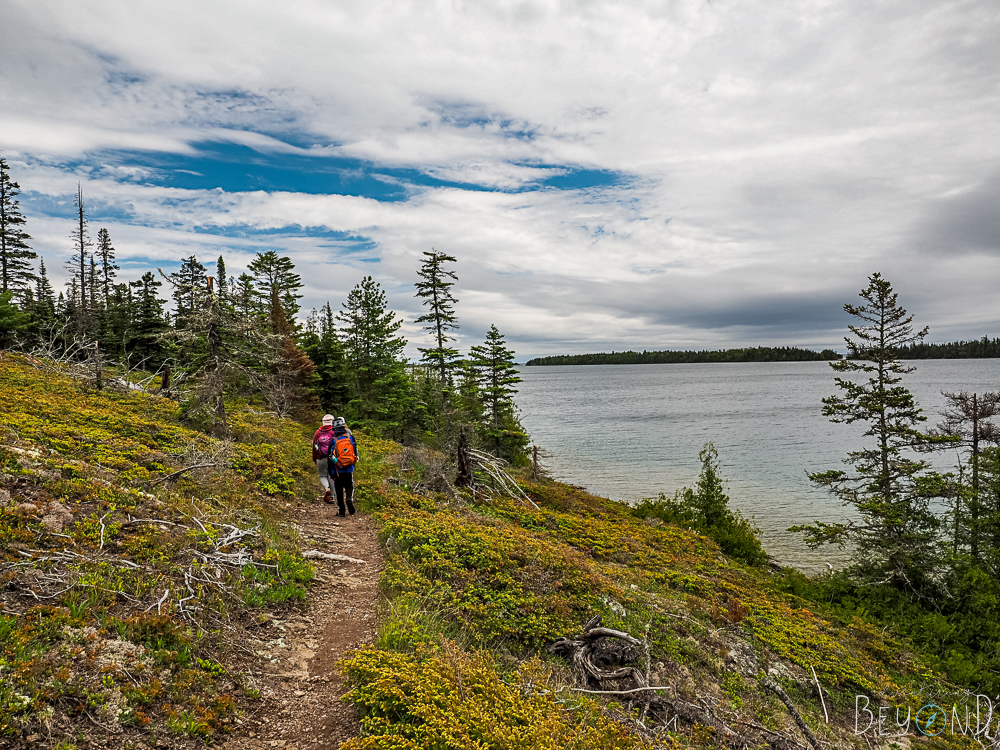
Mount Franklin and Suzy’s Cave – The way we did this hike was roughly 7 to 8 miles in length. We took a water taxi to Three Mile Campground and hiked up to Mount Franklin along the Greenstone Ridge Trail (about 2 miles total up and back down). We then took the Tobin Harbor Trail for a flatter, well-shaded forest walk along the harbor before taking the side trail to visit Suzy’s Cave and then connected to the Rock Harbor Trail along the rocky, exposed shoreline. This route features uneven bedrock and great water views. Overall, we loved the mix of forest and water views on our hike back to Rock Harbor.
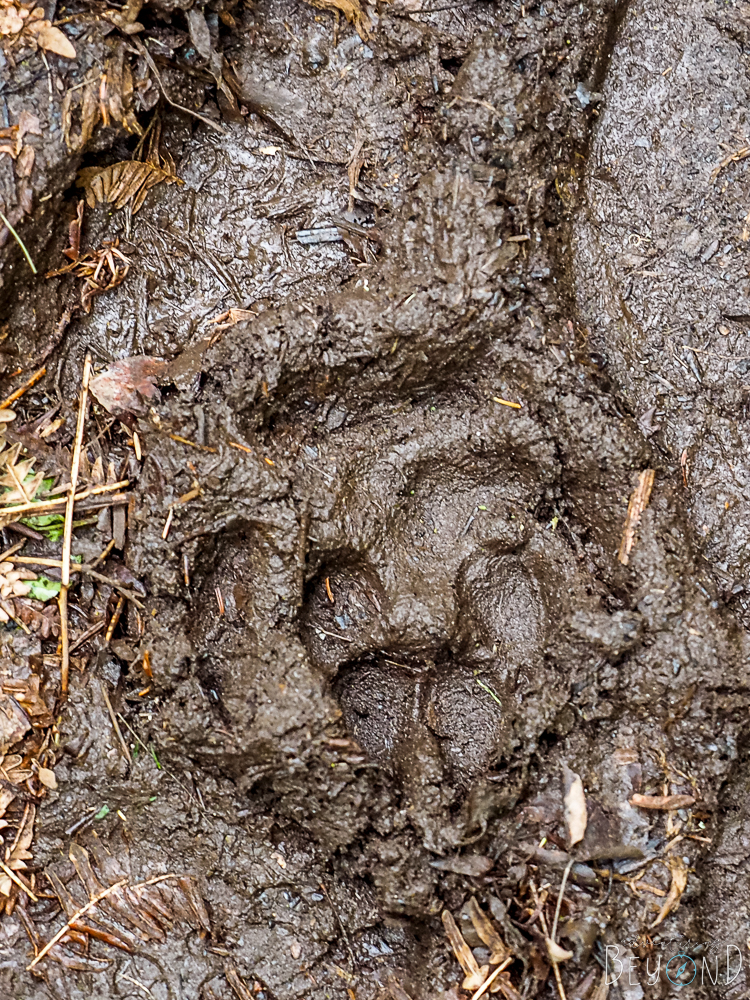
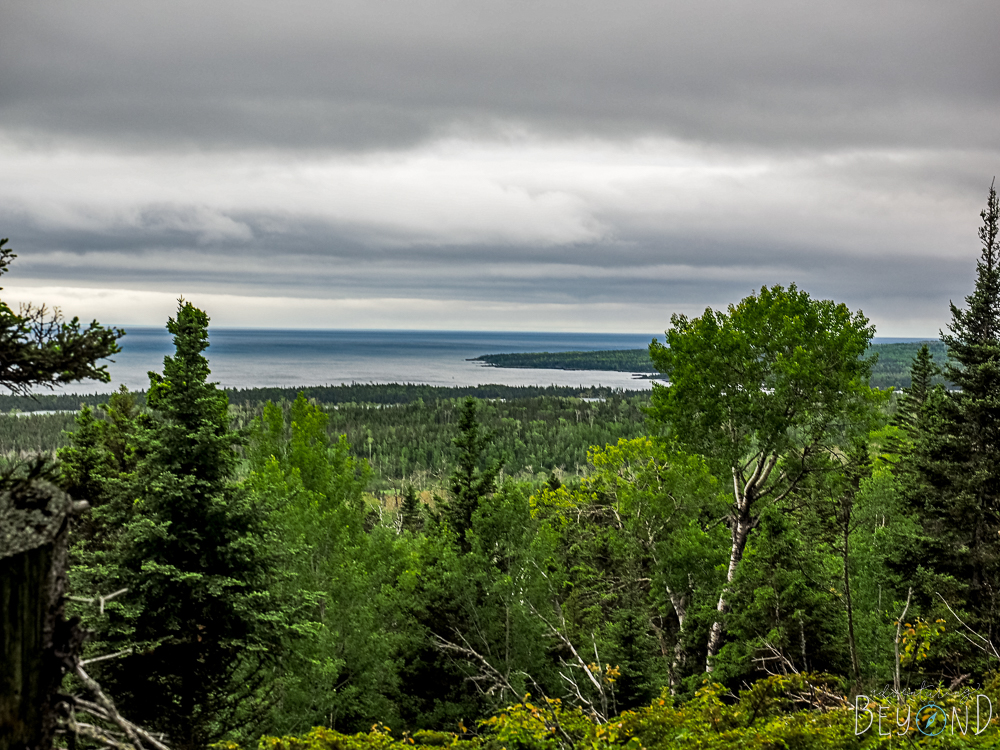
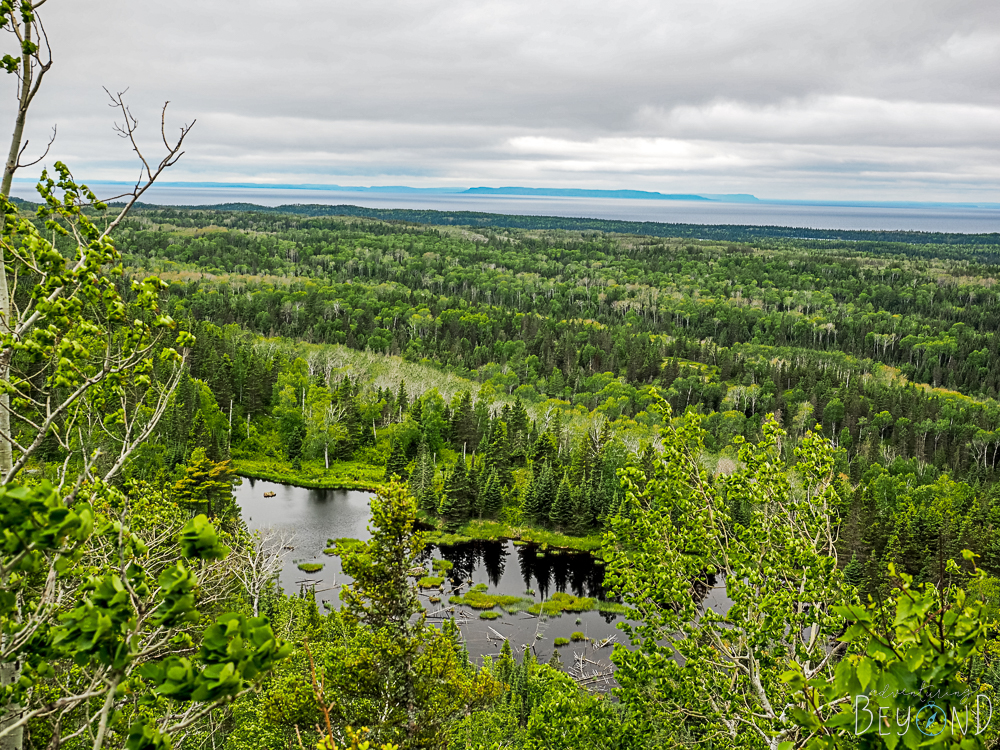
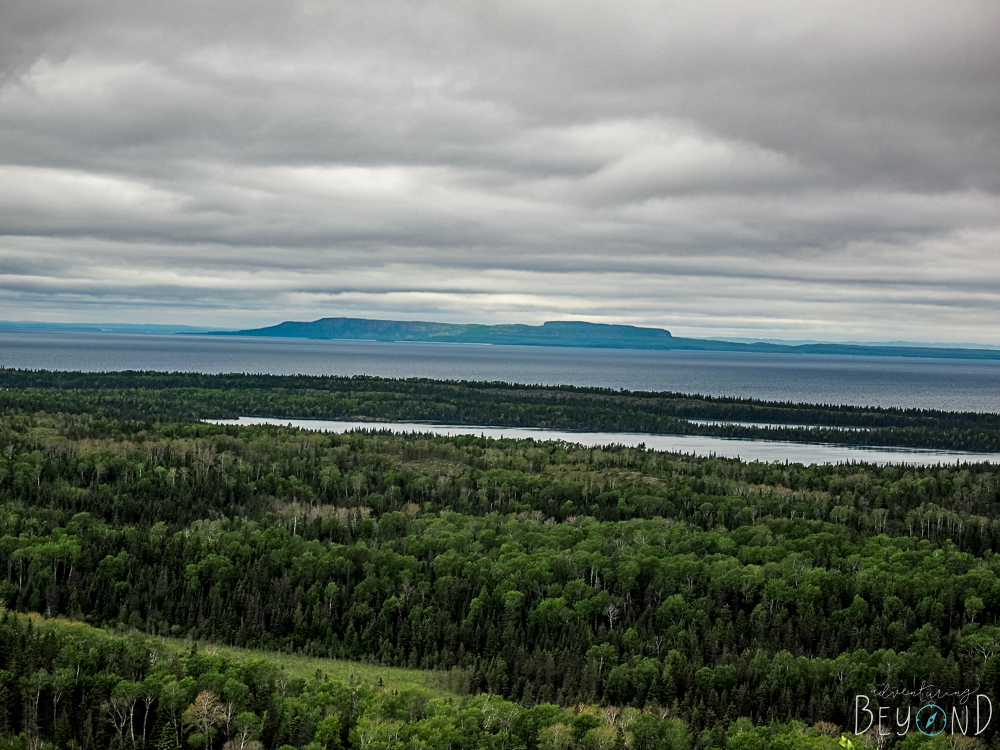
Grab a Trails Illustrated map of Isle Royale before you go, cell maps won’t work once you’re on the island.
Getting Around the Island
In addition to the obvious answer of hiking, there are a couple other options for getting to various points of interest on the island.
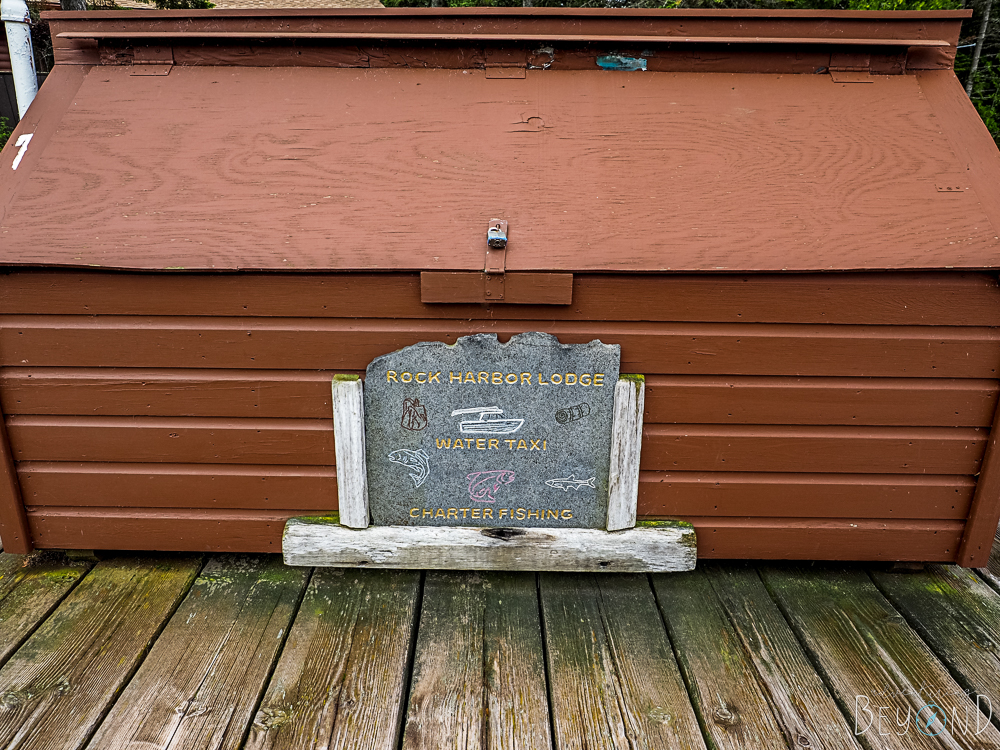
Water Taxi: The water taxis operate from late May to early September, typically from 8am-4:30pm. According to their website: “The Water Taxi offers both drop-off and pick-up services to guests at many of the island docks. Guests can also bring canoes or kayaks on the Water Taxi service. Each trip can include a maximum of six guests with backpacks only, or 4 guests with two canoes per trip. Reservations are recommended.” All Water Taxis are subject to weather and lake conditions.
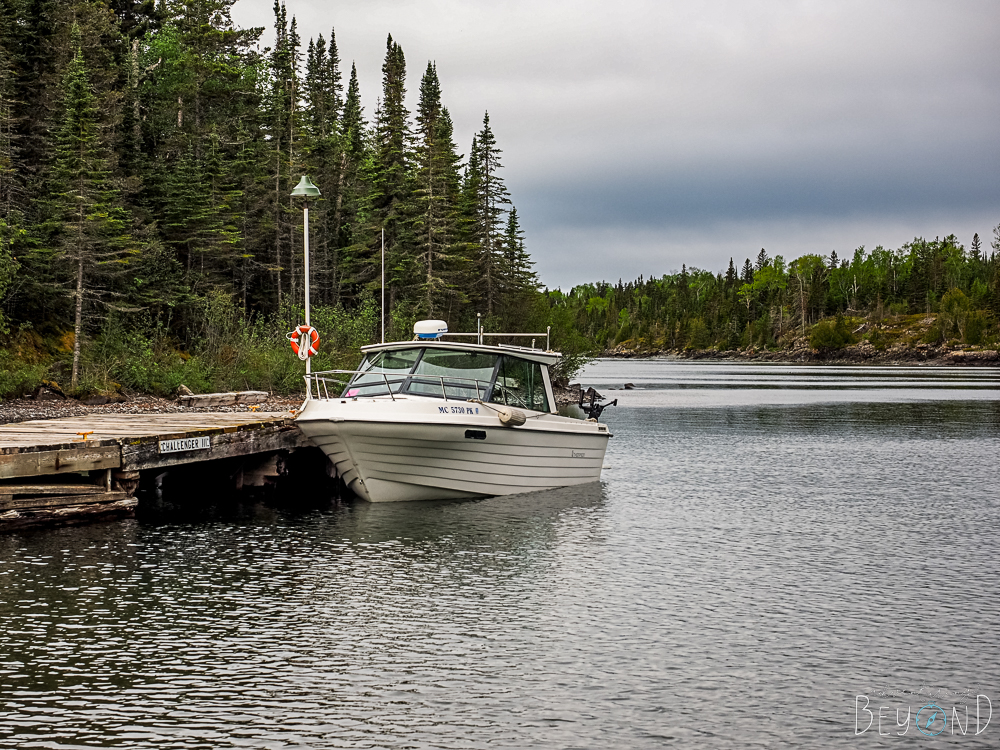
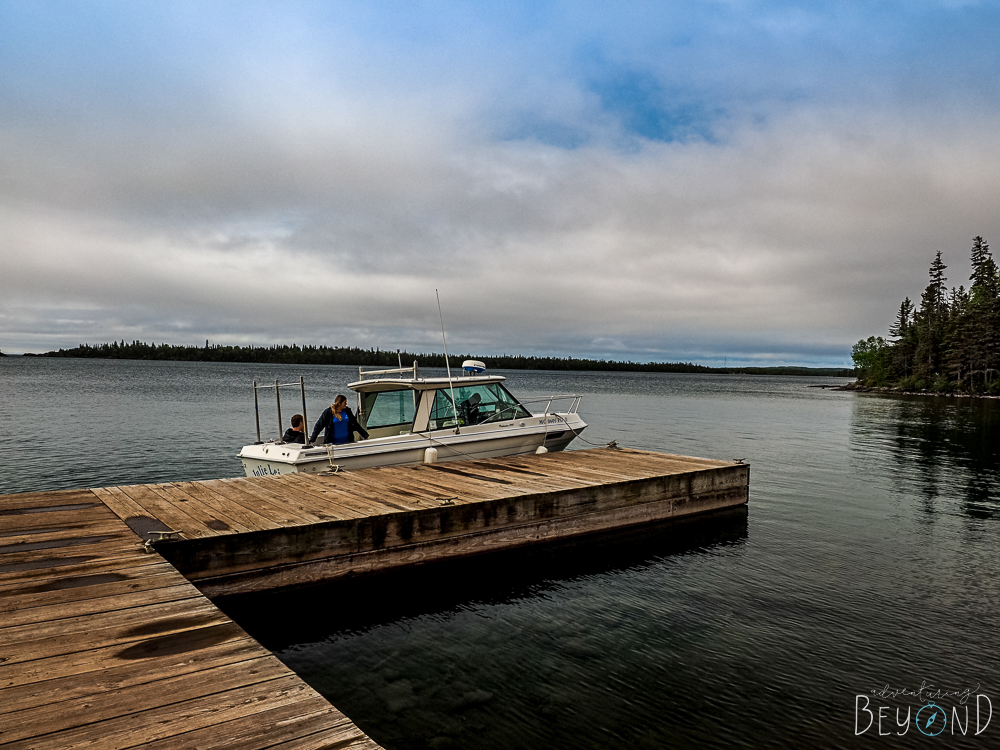
Water Bus: The water bus is standby only, they do not take reservations, and it will only go one way to Hidden Lake or Daisy Farm on the regular sightseeing schedule.
Renting a kayak, canoe, or boat with motor: Rentals are done either by half day or full day and can be reserved in advance online (https://www.rockharborlodge.com/marina/rock-harbor-marina/), but keep in mind that all watercraft is subject to lake and weather conditions.
What It Costs
Budgeting for Isle Royale is different from most national parks because transportation, not the entrance fee, is your biggest expense.
- Park entrance fee: roughly $7/day per person (young children free)
- Ferry: $160-$180+ round trip depending on route and departure point
- Seaplane: $400+ round trip
- Backcountry camping: free with permit
- Rock Harbor Lodge: $300+/night in peak season
- Gear rental (canoes, kayaks): available on-island, roughly $50–$75/day
A budget backpacking trip can be done for a few hundred dollars total; a comfortable lodge-based trip with the seaplane can run well over $1,000 for a couple.
Tips and Mistakes to Avoid
- Book your ferry or seaplane the moment reservations open and ensure availability for each is aligned as there is little to no flexibility in either lodging or transportation. Summer weekend seats vanish fast.
- Download offline maps before you leave the mainland. There is no cell service on the island except very weak service at the Rock Harbor Lodge
- Pack for four seasons in one day. Lake Superior weather flips quickly, even in July.
- Don’t skip the water filter. Giardia is present in the island’s water sources.
- Watch the ferry schedule closely if day-tripping – missing the return boat means an unplanned overnight.

Final Thoughts
Isle Royale isn’t a park you stumble into on a road trip, it takes real planning, a bit of expense, and a willingness to disconnect completely – very similar to Voyageurs National Park. That’s exactly what makes it worth it. If you’re looking for a national park experience that still feels wild, this is the one. It reminded us very much of the north shore of our home state of Minnesota along Lake Superior. So beautiful!
Like this post? Don’t forget to pin it for later:


This post contains affiliate links. If you book through them, we may earn a small commission at no extra cost to you, it helps keep this site running.